
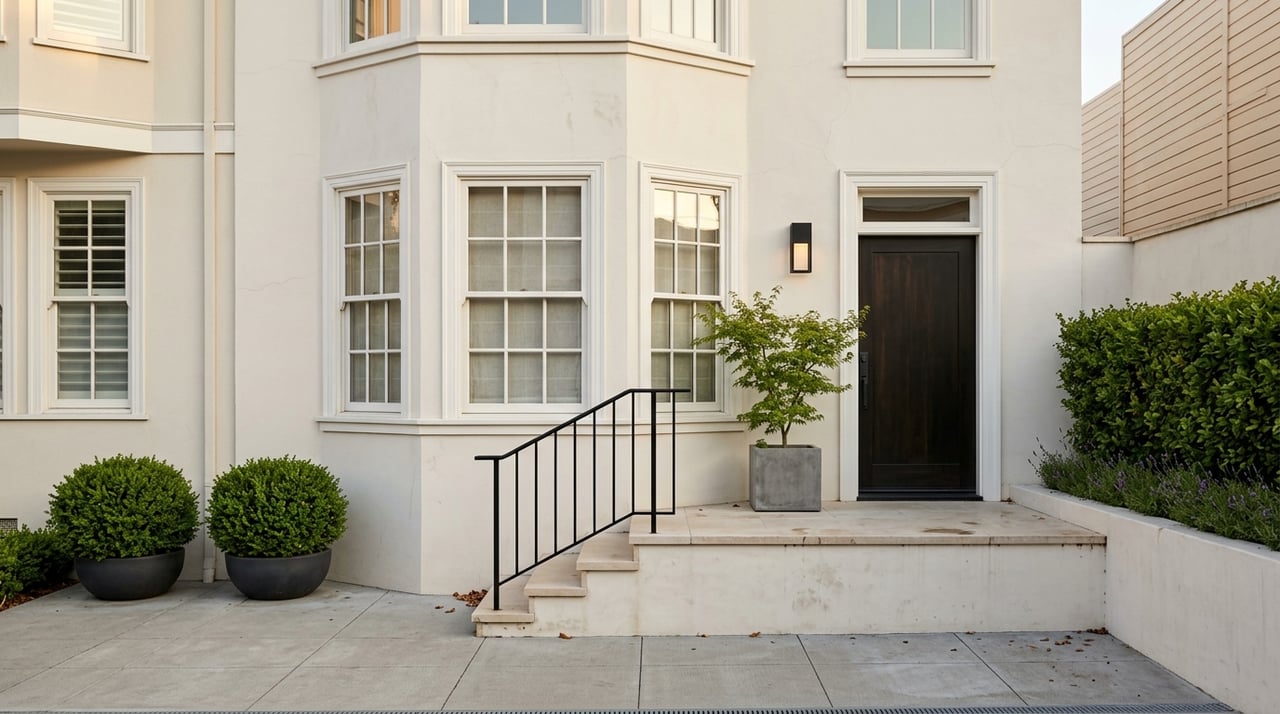
If you are getting ready to sell in Cow Hollow, the instinct to renovate can feel almost automatic. You want your home to look its best, but you also do not want to spend months in construction only to miss a strong selling window. In a market where well-prepared homes can move quickly, the smartest question is often not should you renovate at all, but what level of work is actually worth doing before you list. Let’s dive in.
Cow Hollow rewards polish and timing
Cow Hollow remains a premium, fast-moving market. In the three months ending May 2026, Redfin reported a median sale price of $3.6 million, median days on market of 13, a sale-to-list ratio of 120.9%, and 81.1% of homes selling above list price.
That kind of pace changes the renovation conversation. When buyers are already competing, a full-scale remodel is not always the clearest path to a better result. In many cases, your return comes from presenting the home beautifully, pricing it well, and reaching the market at the right moment.
Start with the real goal
Before you choose paint colors or call a contractor, it helps to define your goal. If your priority is maximizing value without delaying the sale, a focused pre-sale strategy usually makes more sense than an open-ended renovation.
In Cow Hollow, buyers often respond to homes that feel finished, intentional, and move-in ready. That does not necessarily mean newly rebuilt. It often means the home reads as cared for, visually cohesive, and easy to imagine living in.
What buyers tend to notice most
National staging data offers a useful lens here. The 2025 NAR staging study found that 83% of buyers' agents said staging made it easier for buyers to visualize the home as their future property, and 60% said staging affected most buyers' view of the home most of the time.
The same study found that buyers' agents ranked the living room, primary bedroom, and kitchen as the most important spaces to stage. Sellers' agents most commonly staged the living room, primary bedroom, and dining room. In other words, the rooms that shape first impressions tend to carry the most weight.
That insight matters in a visually driven market like San Francisco. Buyers often meet your home online first, so photography, video, virtual tours, and physical presentation all work together to shape demand before the first showing even begins.
The safest upgrades are often the most visible
City-level Redfin trend data for San Francisco found higher sale-to-list ratios associated with features such as double ovens, new appliances, tankless hot water heaters, guest bedrooms or guest quarters, foyers, wet bars, and solar panels. That does not mean every seller should rush to install all of them.
What it does suggest is that buyers tend to reward functionality they can see and appreciate. In practice, the lowest-risk pre-sale improvements are often the ones that create a clean, elevated impression right away.
High-impact updates to consider
If your home needs refinement before listing, these updates are often easier to justify than a full remodel:
- Fresh interior paint
- Updated light fixtures
- New cabinet hardware
- Appliance refreshes
- Kitchen and bath face-lifts that keep the existing layout
- Professional staging
- Styling that improves photography and flow
These changes can sharpen the home's presentation without pulling you into a long approval and construction process.
Why major renovations can be risky before selling
In Cow Hollow, the question is not just cost. It is time, complexity, and opportunity cost. A larger project may look appealing on paper, but San Francisco's permitting process can turn a straightforward idea into a much longer timeline.
San Francisco guidance says many building permit applications need plans. Some smaller projects can be handled more simply, but once you move into more ambitious work, the process usually becomes more involved.
Projects that may stay simpler
According to San Francisco permit guidance, examples of work that may not require plans include:
- Same-size, same-location window replacement
- Door replacement
- Garage-door replacement
- Reroofing
- Minor dry-rot repair
- Kitchen or bathroom remodels that do not change the floor plan, move walls, or add a new shower or tub
For sellers, that is an important line. Cosmetic and like-for-like updates usually fit a pre-sale timeline more comfortably than work that changes structure, layout, or exterior configuration.
Projects that can trigger more planning
San Francisco guidance also notes that work such as these items generally requires plans:
- New windows or doors in a new location
- New skylights in a new location
- Visible exterior finish changes
- Larger deck work
- Larger stair work
The city also notes that exterior residential work may require a designer, architect, or engineer to prepare plans when needed. On top of that, building, plumbing, and electrical compliance can involve more than one permit track.
That is why a major pre-sale renovation can become difficult to justify if your main goal is getting to market efficiently.
When a light renovation makes sense
A light renovation usually makes sense when the home already has strong underlying appeal but needs editing. Maybe the finishes feel dated, the lighting is flat, or the kitchen reads tired in photos even though the layout works well.
In that case, a focused refresh can improve the buyer experience without overcapitalizing. The goal is to remove distractions, elevate the visual story, and make the home feel finished enough that buyers compete for it.
Good candidates for pre-sale refresh work
You may benefit from a limited renovation if your home has:
- Worn paint or patchy finishes
- Outdated hardware or fixtures
- Appliances that visually age the kitchen
- Bathrooms that need a cosmetic lift, not a redesign
- Empty or awkward rooms that would benefit from staging
- Strong architecture that is getting lost in presentation
In a neighborhood like Cow Hollow, that kind of refinement can do more for perception than a disruptive rebuild.
When it may be better not to renovate
Sometimes the best decision is restraint. If your home is already attractive, functional, and well-maintained, the highest-value move may be strategic staging and marketing rather than construction.
That is especially true in a market with quick sales and frequent over-asking outcomes. A months-long renovation can introduce delay, permit risk, and decision fatigue, while the market may have rewarded a polished as-is launch much sooner.
Think in terms of curation, not construction
For premium homes, buyers are not only evaluating finishes. They are responding to atmosphere, flow, and emotional clarity. A curated presentation can often create the sense of completeness that sellers assume must come from a renovation.
That is where staging becomes especially powerful. NAR's 2025 study showed that staging helps buyers picture the property as their future home, and buyers' agents also placed importance on photos, physical staging, videos, and virtual tours.
In practical terms, this means your money may go further when it is spent on the way the home is experienced. Thoughtful merchandising, clean sightlines, balanced lighting, and high-production visuals can make the property feel more compelling without changing the bones.
Who to bring in before listing
The right team depends on the scope. If you are considering layout changes, exterior modifications, or anything involving new openings, it may make sense to consult a designer or architect early.
If the floor plan is already working, a stager may be the more valuable first call. Once the visual direction is set, you can decide whether the home needs only presentation, a small cosmetic refresh, or a more involved project.
For many Cow Hollow sellers, the strongest strategy is edited rather than rebuilt. It is about making smart choices, protecting your timeline, and presenting the home with precision.
Keep records if you do spend money
If you decide to complete improvements before selling, keep your receipts and records organized. IRS guidance distinguishes repairs from improvements, and improvements may matter later when calculating basis because they can add value, prolong useful life, or adapt the home to a new use.
Repairs such as repainting, fixing leaks, repairing floors, fixing gutters, or replacing broken panes are treated differently. If tax considerations are part of your decision, it is wise to speak with your own tax advisor rather than assume every project will improve your after-tax outcome.
The best pre-sale strategy in Cow Hollow
So, should you renovate before selling in Cow Hollow? In many cases, yes, but only selectively.
The strongest pre-sale strategy is often a disciplined one: improve what buyers will notice immediately, avoid work that can expand into a long permit process, and invest in presentation that helps your home feel memorable from the first photo to the final showing. In a market this strong, polished execution often matters more than a dramatic remodel.
If you are weighing whether to refresh, stage, or fully reposition your home for market, Tania Toubba offers a private, highly tailored approach to pre-sale preparation, presentation, and sale strategy in Cow Hollow.
FAQs
Should you do a full remodel before selling a Cow Hollow home?
- Usually not, unless the property has clear functional issues or a longer timeline supports the work. In Cow Hollow, a focused refresh and strong presentation are often easier to justify than a full remodel.
What pre-sale improvements matter most in Cow Hollow?
- Cosmetic, visible updates often make the most sense, including paint, lighting, hardware, appliance refreshes, kitchen and bath face-lifts that keep the layout, and professional staging.
Do kitchen and bathroom updates require permits in San Francisco?
- Some kitchen or bathroom remodels that do not change the floor plan, move walls, or add a new shower or tub can be handled more simply, but broader code and permit requirements may still apply depending on the work.
What renovation projects usually require plans in San Francisco?
- Projects such as new windows or doors in a new location, new skylights in a new location, visible exterior finish changes, and larger deck or stair work generally require plans.
Is staging worth it when selling a Cow Hollow property?
- Yes. NAR's 2025 staging study found that staging helps buyers visualize the property and can meaningfully influence how they perceive the home.
Should you hire a stager or a designer before listing a Cow Hollow home?
- If the layout works and the goal is presentation, a stager may be the right first step. If the project involves plan changes, openings, or exterior work, a designer or architect may be more appropriate early on.