Selling while you are still living at home can feel like a contradiction, especially in Presidio Heights, where expectations are high and the market moves fast. You want your home to look polished, protect your privacy, and still function for daily life. The good news is that with the right plan, you can stay in residence without sacrificing presentation or control. Let’s dive in.
Why occupied sales need a different plan
Presidio Heights is not a typical move-up market. According to San Francisco Planning’s 2025 housing inventory, the neighborhood has 6,811 housing units, including 971 single-family homes, and a Q2 2026 market update showed a median sales price of $4.6 million, 13 closed sales, an average of 4 days on market, and just 1 active listing at quarter-end.
That kind of thin, high-value market changes the selling strategy. When buyers have very little inventory to compare, they tend to form impressions quickly. If your home is occupied, the goal is not to keep it in constant showing condition for weeks. It is to create a tightly managed launch that balances presentation, privacy, and timing.
For many Presidio Heights sellers, that means treating the listing period like a curated campaign rather than an open-ended public process. A focused calendar, polished visual media, and controlled access often make more sense than high foot traffic and daily disruption.
Build presentation around real life
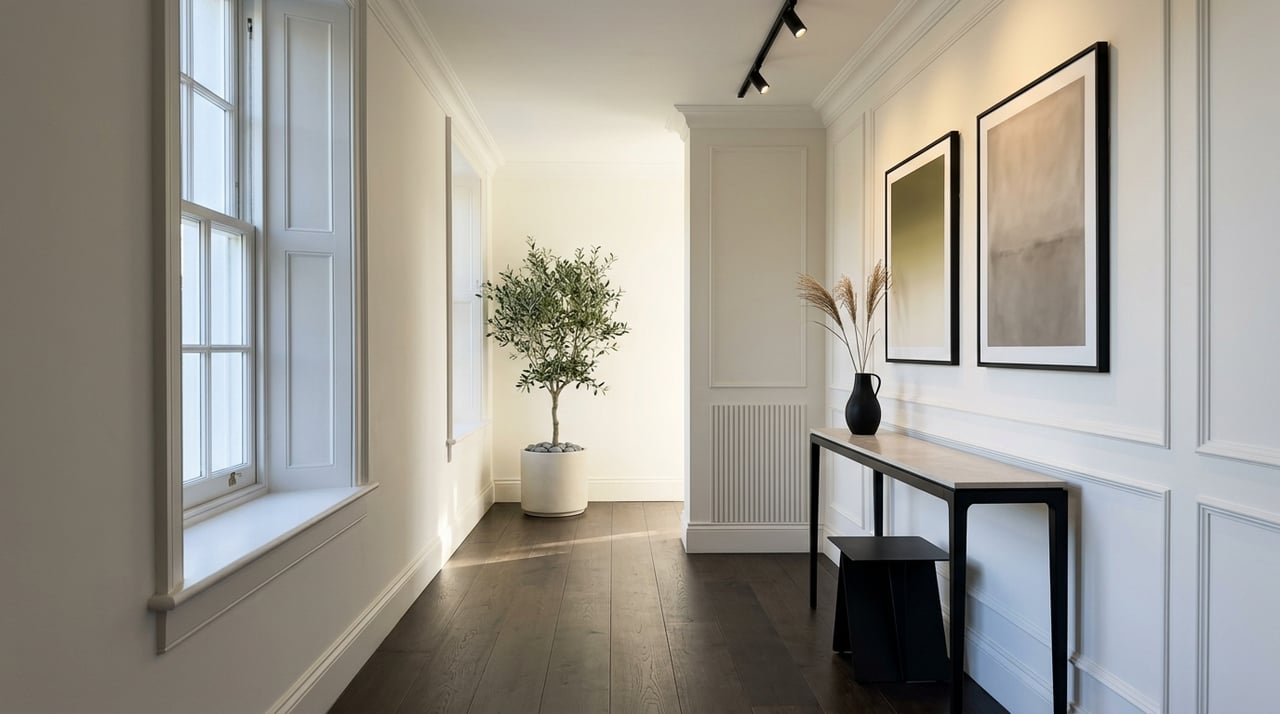
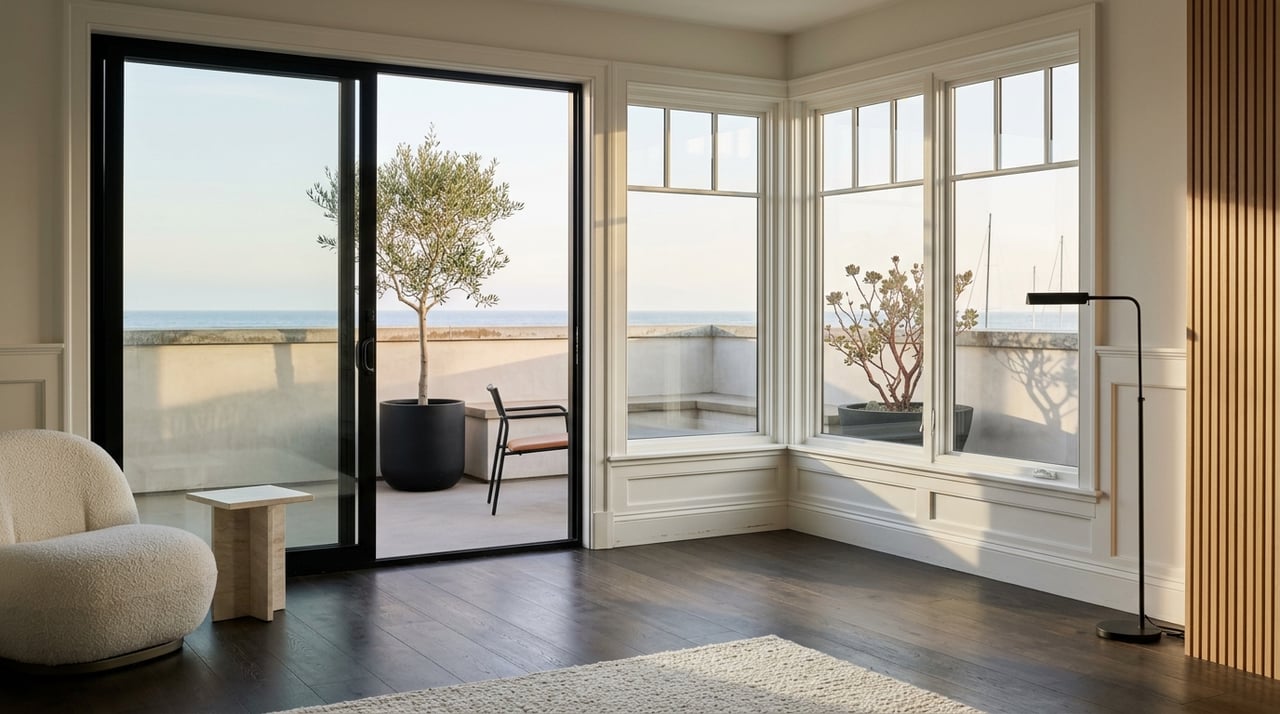
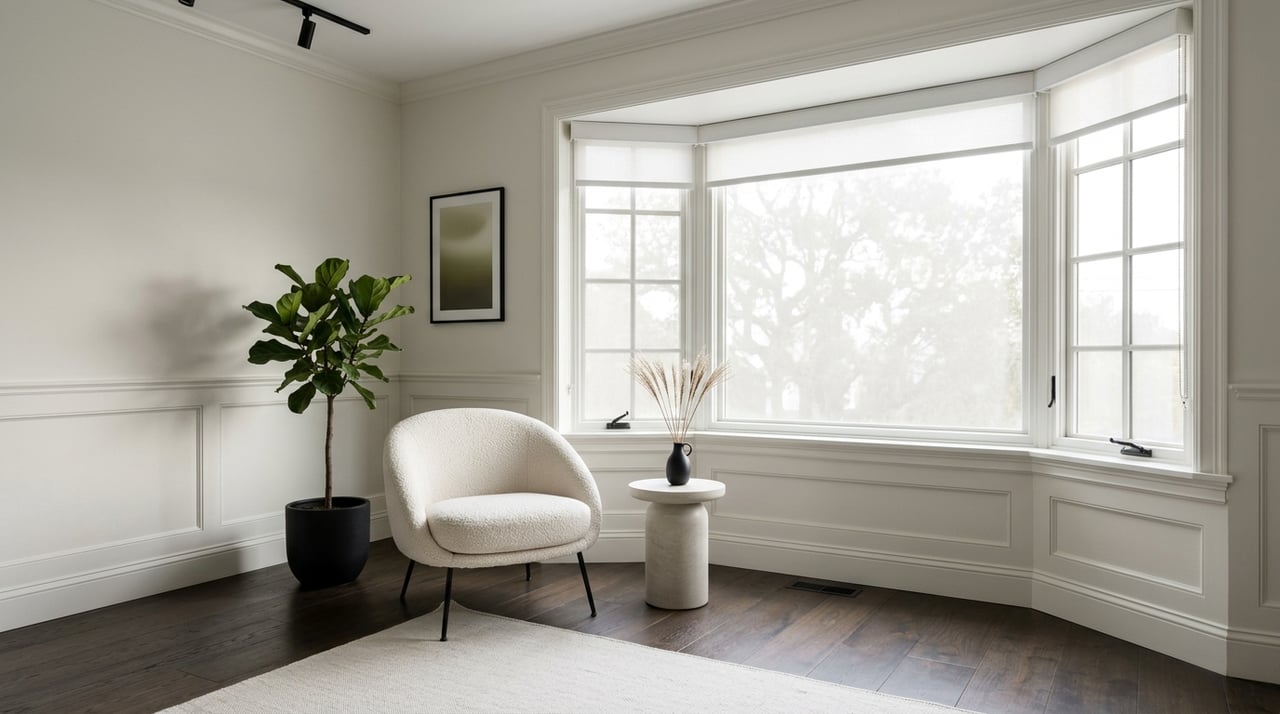
Living in your home while selling it does not mean you need to pretend no one lives there. It does mean editing the space so buyers can focus on scale, light, architecture, and flow rather than your routines.
The simplest benchmark is a lived-in-but-edited environment. Your rooms should feel warm and authentic, but calm enough that the home itself remains the focal point. In a neighborhood where architectural character and finish quality matter, visual clarity is essential.
Remove personal and sensitive items
The National Association of Realtors’ 2025 consumer staging guidance recommends packing away personal photos, toiletries, medicines, firearms, and valuables. That advice is especially useful when you are still in residence because it supports both presentation and privacy.
You do not need to empty every surface. You do need to remove anything that distracts from the property or exposes private information. A clean bedside table, a styled bath vanity, and orderly kitchen counters photograph better and make last-minute resets far easier.
Edit furniture and storage areas
Closets, mudrooms, and storage areas matter more than many sellers expect. NAR recommends keeping closets about half full so they read as functional rather than overcrowded.
If you are staying in the home, this often means using off-site storage during the listing period. Removing excess chairs, side tables, seasonal clothing, and overflow items can make the home feel more spacious without forcing you out before the sale.
Keep the home consistently clean
Cleanliness is not just a cosmetic issue. In an occupied home, it helps support accurate observation of the property by everyone involved in the sale process.
The California Department of Real Estate notes that listing and selling brokers must conduct a reasonably competent and diligent visual inspection and disclose material facts affecting value, desirability, and intended use that are not readily observable. A clear, accessible interior helps that process happen smoothly.
Know what is flexible and what is required
One of the most important parts of selling while in residence is separating personal preference from legal obligation. Showing windows, styling choices, and cleaning cadence are flexible. Disclosure requirements and certain access rules are not.
That distinction helps reduce stress. You can be creative about how your home is presented, but you should be methodical about what must be completed and when.
California disclosures still apply
If you are living in the property, you still complete the standard California disclosure package. The California Real Estate Transfer Disclosure Statement must be delivered as soon as practicable before transfer of title, and the form includes whether the seller is occupying the home.
The California Department of Real Estate also states that the TDS describes the property’s condition and is not a warranty. Sellers and brokers both participate in disclosures, so occupied homes benefit from a well-organized process and a home environment that allows careful review and observation.
Hazard and lead disclosures may matter
California’s Natural Hazard Disclosure Statement addresses state-mapped hazard zones. In addition, if the home was built before 1978, federal lead rules require sellers to disclose known lead-based paint hazards and provide buyers a 10-day inspection period.
That is particularly relevant in San Francisco, where older housing stock is common. Even when a home is beautifully maintained, age-related disclosure requirements may still apply.
Tenant-occupied spaces follow separate rules
If part of your property is rented, or includes a tenant-occupied unit, separate access rules may apply. California Civil Code 1954 generally requires reasonable advance written notice for entry, with 24 hours presumed reasonable, and limits entry to normal business hours.
There are also specific oral notice rules that can apply when showing a rental to prospective purchasers after prior written notice that the property is for sale. If your home includes tenant-occupied space, your privacy plan and showing strategy should account for those rules from the start.
Use a privacy-first showing strategy
In a market like Presidio Heights, privacy is not just a luxury preference. It is often a practical selling tool.
Given the neighborhood’s limited inventory and short average days on market, an appointment-only showing calendar can be a rational way to control access while still creating urgency. It allows your home to be experienced intentionally, with fewer disruptions and better pacing.
Focus on concentrated showing windows
Rather than allowing scattered access throughout the week, many occupied luxury listings benefit from grouped showing times. That gives you a clear reset schedule and reduces the feeling that your home is perpetually on display.
It also makes support easier to coordinate. Cleaners, staff, pet care, and household schedules can all work from one defined framework rather than a stream of unpredictable requests.
Plan around photography first
Listing photos often do the heaviest lifting in the first days on market. NAR notes that staging helps buyers visualize the property as their future home, and its 2025 consumer guide found that 83% of buyers’ agents believe staging makes that easier.
For an occupied home, that supports a phased approach. You can prepare key rooms for photography and marketing media first, then maintain room-by-room reset standards during showings rather than trying to live in a permanent showroom.
Disclose material virtual changes
Virtual staging and photo enhancement can be useful tools, especially when a room is in transition. But NAR also notes that any material alteration to the property should be disclosed.
In other words, your marketing can be polished, but it should still be accurate. Buyers in this price tier tend to notice the difference between visual refinement and misrepresentation.
Coordinate the household like a launch
An occupied sale works best when daily life is treated like part of the listing strategy. That does not mean making your household rigid. It means reducing friction through planning.
Think through every moving piece before the home goes live. Family calendars, pet routines, deliveries, housekeepers, maintenance visits, and school or work timing all affect how easily the property can be shown.
Create a simple reset checklist
A short pre-showing checklist can save you a surprising amount of stress. For most occupied homes, that list includes:
- Clearing kitchen and bath counters
- Making beds and straightening linens
- Storing personal photos and paperwork
- Securing medicines, firearms, and valuables
- Opening window coverings where appropriate
- Turning on lighting for consistency
- Checking pet items, food bowls, and litter areas
When everyone in the household understands the reset standard, the home can be ready quickly without feeling chaotic.
Assign support in advance
Luxury sales often involve more than the owner alone. You may need help from cleaners, organizers, stagers, or property staff during the listing period.
Having those roles defined in advance is part of a smoother, more discreet sale. It also helps preserve the quality of presentation that Presidio Heights buyers typically expect.
Think curation, not constant disruption
The strongest occupied listings rarely feel improvised. They feel composed.
In Presidio Heights, where homes are judged quickly and often against a very small pool of alternatives, your advantage is not endless availability. It is thoughtful preparation, accurate disclosures, controlled access, and a presentation style that lets the property speak clearly.
If you are planning to sell while still in residence, the process should protect your routine while still honoring the market. With a curated launch, clear legal compliance, and a disciplined household plan, it is entirely possible to sell elegantly without moving out first.
If you are considering an occupied sale in Presidio Heights, Tania Toubba can help you design a private, tailored strategy that balances presentation, discretion, and market timing.
FAQs
Can I sell my Presidio Heights home while still living in it?
- Yes. You can remain in residence while your home is listed, as long as the sale still supports accurate disclosures and reasonable access for showings and inspections.
How much should I remove before listing an occupied home?
- Remove personal photos, toiletries, medicines, firearms, valuables, and excess furniture or storage items so buyers can focus on the home rather than your belongings.
Do occupied homes in California need different disclosures?
- Occupied homes still require the standard California disclosure process, including the Transfer Disclosure Statement, and pre-1978 homes also trigger federal lead disclosure rules.
Is virtual staging allowed for an occupied luxury listing?
- Yes, but any material alteration to the property should be disclosed so the marketing remains accurate.
What if part of my San Francisco property is tenant-occupied?
- Separate California entry notice rules may apply, including advance written notice requirements and limits on entry times, so your showing plan should reflect those rules.
Why use appointment-only showings for a Presidio Heights listing?
- In a thin, fast-moving market, appointment-only showings can help protect privacy, reduce disruption, and create a more intentional buyer experience.