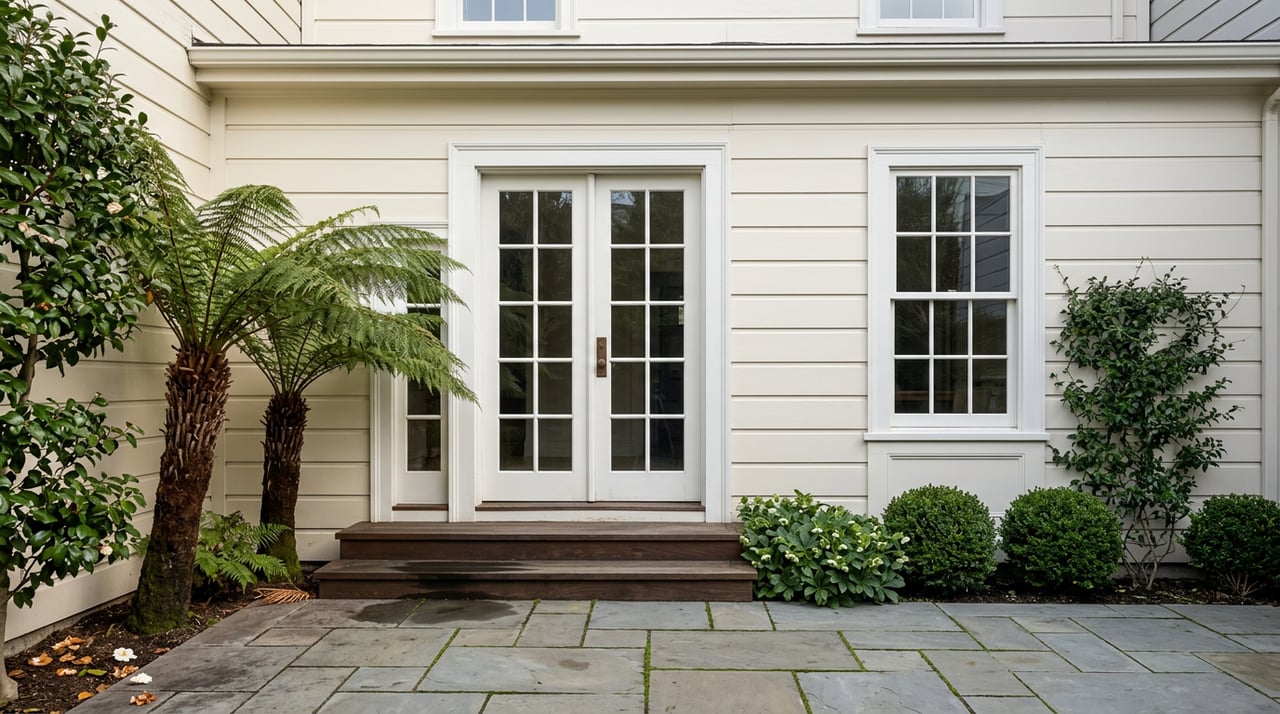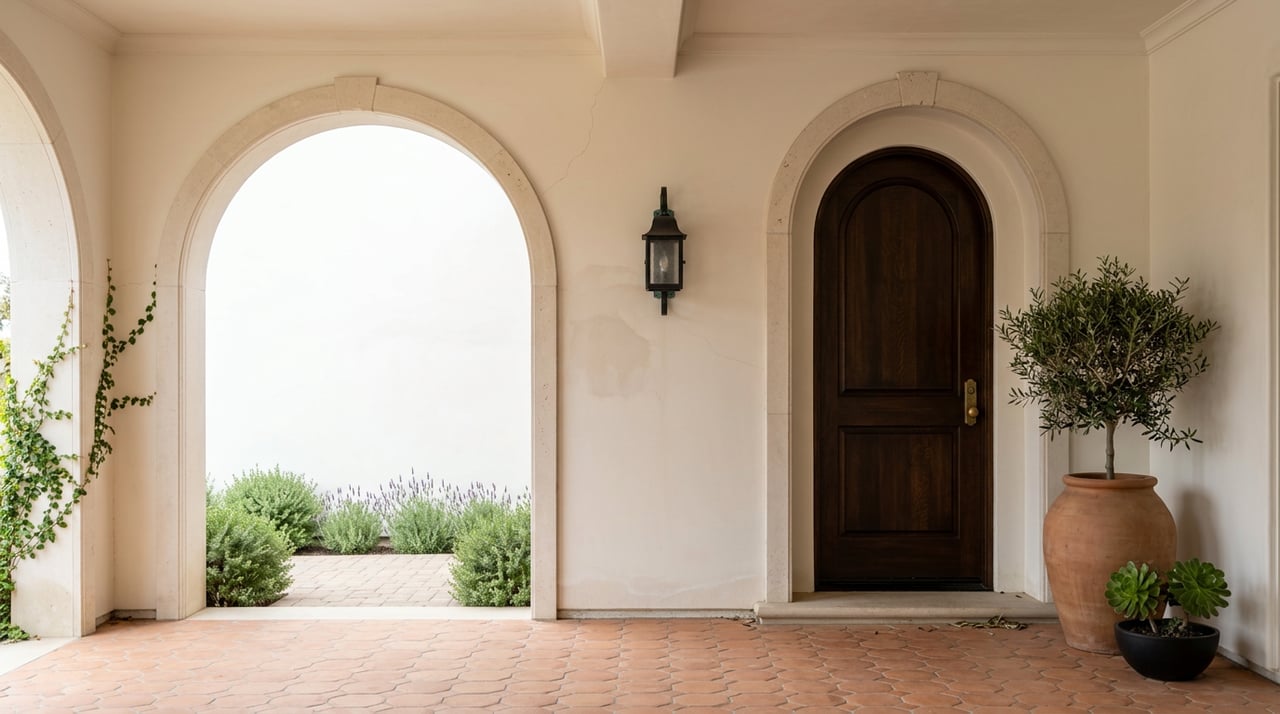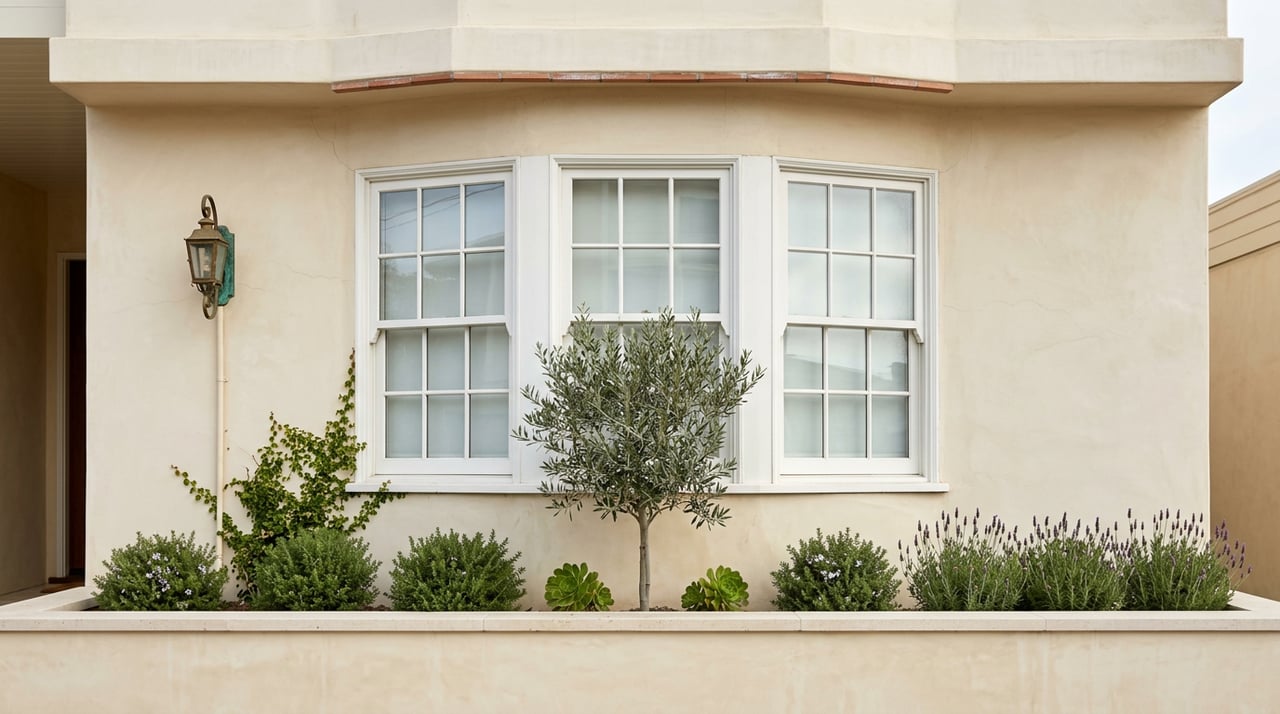
If you are weighing a coastal escape against a San Francisco residence, Seacliff and the city’s northside neighborhoods offer two very different versions of Bay Area living. One leans toward sand, bluff views, and a slower weekend rhythm. The other centers on architectural pedigree, city access, and a year-round urban lifestyle. This comparison will help you understand how pricing, home styles, lifestyle, and ownership rules differ so you can decide which setting fits your goals best. Let’s dive in.
Seacliff vs. San Francisco at a Glance
Seacliff in Santa Cruz County is not the same place as San Francisco’s Sea Cliff. That distinction matters right away, because the market, housing stock, and ownership experience are very different. In Santa Cruz County, Seacliff is part of the Aptos Planning Area and is shaped by its beach setting and village-scale coastal character.
By contrast, San Francisco’s Sea Cliff is a separate northwestern neighborhood known for large ocean-view residences and a more formal architectural identity. When buyers compare Seacliff with San Francisco homes, they are usually comparing a coastal retreat lifestyle with a primary city residence. In many cases, the choice is less about which is better and more about which role the home needs to play in your life.
Price Differences You Can Expect
The price gap is often the first thing buyers notice. Public market data for February 2026 shows a Seacliff median sale price of $814,000, with homes on market ranging from lower-priced condo or co-op options to detached coastal properties around $1.4 million to $3 million or more. There is also a much higher oceanfront outlier, which shows how wide the range can be in a coastal market.
For a broader benchmark, Santa Cruz County posted a median sale price of $1.28 million in March 2026. That gives useful context if you are looking beyond Seacliff itself. Even so, Seacliff generally presents a lower entry point than many premium San Francisco neighborhoods.
In San Francisco County, the March 2026 median sold price for existing single-family homes was $2.15 million. Neighborhood-level snapshots push that much higher in many northside areas, with Sea Cliff at $3.9 million, Cow Hollow at $3.19 million, Russian Hill at $1.425 million, and Presidio Heights at $7.56 million. For many buyers, that means Seacliff can feel more attainable as a second-home or retreat purchase, while San Francisco’s northside homes command a premium for location, architecture, and city positioning.
Seacliff Homes and Architectural Character
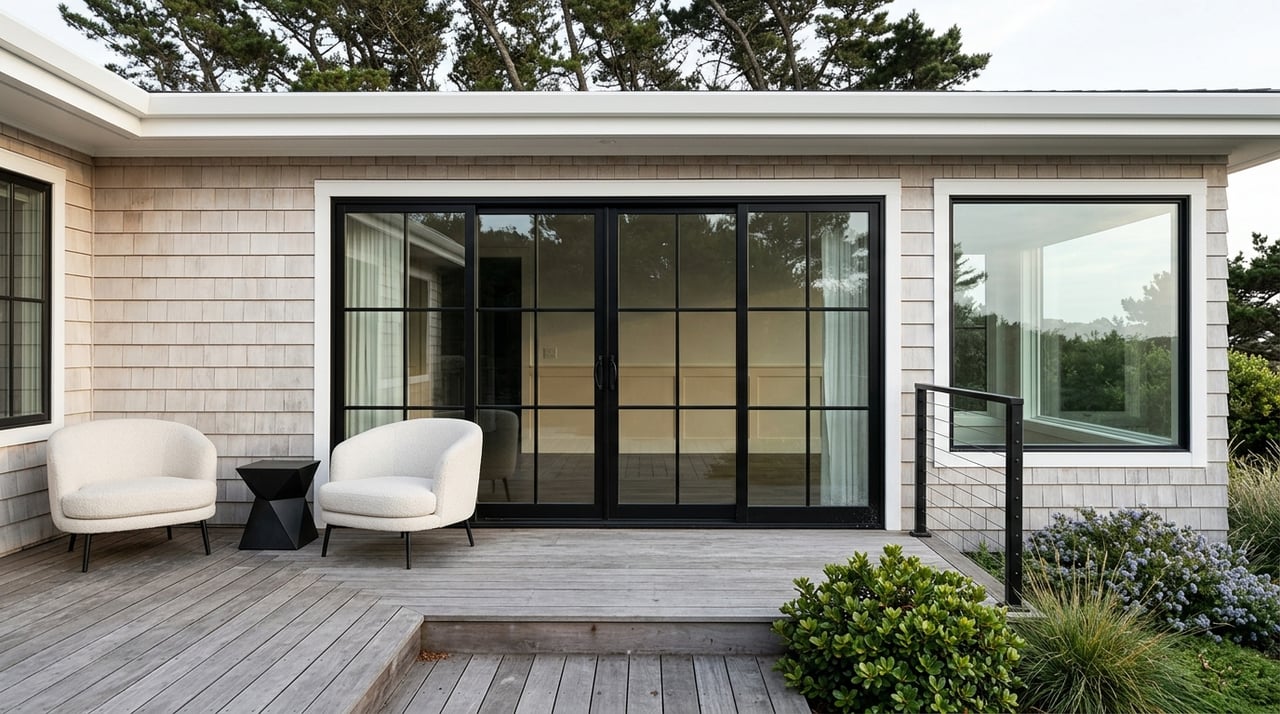
Seacliff’s appeal is tied closely to its coastal setting. Local planning guidance describes a seaside village character shaped by natural materials, open views, and architecture that fits the shoreline environment. The design vocabulary includes Shingle Style, Craftsman, and Bungalow influences, along with wood and stucco finishes, gardens, and indoor-outdoor transitions.
In practical terms, buyers in Seacliff often encounter beach bungalows, view-oriented homes, and lower-maintenance condo or co-op properties. Many of these homes are designed around light, air, and access to the coast rather than formality. If you picture a home that supports weekends by the beach, easy lock-and-leave ownership, or a casual retreat atmosphere, Seacliff aligns well with that vision.
San Francisco Northside Homes and Style
San Francisco’s northside neighborhoods tell a different architectural story. These areas are known for historic depth, more formal façades, and homes that often carry a strong sense of provenance. Depending on the neighborhood, buyers may find Victorian homes, Italianate details, Queen Anne variations, preserved period residences, and grand single-family homes with ocean or city outlooks.
Sea Cliff in San Francisco stands out for substantial residences and dramatic views. Presidio Heights is known for elegant period homes and a highly established residential feel. Russian Hill and Cow Hollow bring their own mix of historic character and city energy, often in settings that feel tightly connected to San Francisco’s classic streetscape.
If Seacliff suggests a relaxed coastal retreat, San Francisco’s northside suggests an urban anchor with design presence. Buyers who value legacy architecture, formal entertaining spaces, or a home that reads as a long-term city asset often lean toward San Francisco.
Lifestyle: Weekend Escape or City Base
Lifestyle is where the contrast becomes especially clear. Seacliff is defined by a beach-first setting. California State Parks describes Seacliff State Beach as a mile-long sand beach with views across Monterey Bay National Marine Sanctuary, and the area’s history includes summer homes on the bluffs dating back to the 1920s.
That history still shapes the feel of ownership today. Seacliff lends itself to morning walks near the water, a lower-density environment, and a more seasonal rhythm. Even when used year-round, it often feels like a place to exhale.
San Francisco’s northside neighborhoods offer a more layered daily experience. The Presidio alone includes 1,491 acres and more than 24 miles of hiking trails, along with beaches, bluffs, and overlooks. In neighborhoods like Sea Cliff and Russian Hill, you also get the visual drama of the city itself, with historic streets, established homes, and close ties to San Francisco’s cultural and urban fabric.
For some buyers, the clearest answer is not either-or. It is Seacliff for a weekend or seasonal retreat and San Francisco for a primary residence. That pairing makes sense when you want both quiet coastal ownership and a polished city base.
Rental Rules Matter More Than Many Buyers Expect
If rental flexibility is part of your decision, local rules deserve close attention. In unincorporated Santa Cruz County, where Seacliff sits, short-term rentals of fewer than 30 days require a permit. In the Seacliff, Aptos, and La Selva Beach Designated Area, both hosted and non-hosted permits are capped, block density cannot exceed 20 percent, waitlists are maintained, and only one short-term rental is allowed per person, entity, or property.
The county also prohibits short-term rentals on certain property types, including parcels with ADUs or JADUs and apartment buildings. That means a Seacliff purchase should be evaluated carefully if you hope to offset ownership costs with short stays. The opportunity may exist, but it is tightly regulated and far from automatic.
San Francisco also applies strict rules, though the framework is different. The city requires the host to be a permanent resident, to have occupied the home for at least 60 days before applying, and to live in the dwelling for at least 275 nights each year. Unhosted rentals are generally capped at 90 nights per calendar year.
For many buyers, this changes the investment story. San Francisco northside homes often make more sense as long-term holds or owner-occupied residences, while Seacliff may appeal more as a lifestyle purchase with limited and regulated short-term rental potential.
Which Buyers Often Prefer Seacliff
Seacliff often fits buyers who want a coastal property without entering the price tier of San Francisco’s most elite neighborhoods. It can also appeal if you want a simpler ownership pattern, a beach-oriented setting, or a home that feels separate from city pace. Lower-maintenance options in the area may be especially attractive if you want a retreat that is easy to manage.
You may also prefer Seacliff if your idea of value centers on access to the shoreline, outdoor living, and a relaxed architectural mood. In that case, the property is not just a financial decision. It is a lifestyle choice shaped by scenery, rhythm, and use.
Which Buyers Often Prefer San Francisco
San Francisco’s northside neighborhoods often draw buyers who want permanence, prestige, and a strong architectural identity. If you care about historic detail, city positioning, and ownership in one of San Francisco’s most established residential settings, these neighborhoods offer a very different proposition from a beach retreat.
This is also where presentation and market strategy matter most. In neighborhoods like Sea Cliff, Pacific Heights, Presidio Heights, Russian Hill, and Cow Hollow, exceptional homes are often evaluated not only on square footage or views, but on design quality, curation, and how the residence is positioned in the market. That is especially true at the high end, where a home may be understood as both a residence and a cultural asset.
How to Decide Between the Two
A helpful starting point is to define the home’s role before you define the address. Ask yourself whether you are searching for a primary residence, a weekend retreat, or a two-home strategy. Once that is clear, the comparison becomes far easier.
Consider these questions:
- Do you want a beach-first lifestyle or a city-centered daily routine?
- Is your budget better aligned with Seacliff’s broader entry range or San Francisco’s premium pricing?
- Are you drawn to casual coastal homes or historically significant city architecture?
- Will you use the home personally most of the time, or do rental rules meaningfully affect your plan?
- Are you looking for a stand-alone retreat, or a home that strengthens a long-term San Francisco footprint?
When you answer those questions honestly, the right market often becomes obvious. Seacliff and San Francisco can both be compelling, but they serve different needs.
If you are considering a San Francisco purchase while evaluating coastal alternatives, working with an advisor who understands how luxury buyers weigh lifestyle, design, and long-term positioning can make the decision much clearer. For discreet guidance on San Francisco’s premier neighborhoods and how they compare with Bay Area retreat markets, connect with Tania Toubba.
FAQs
What is the difference between Seacliff in Santa Cruz County and Sea Cliff in San Francisco?
- Seacliff in Santa Cruz County is a distinct coastal market in the Aptos Planning Area near Seacliff State Beach, while Sea Cliff in San Francisco is a separate northwestern neighborhood known for large ocean-view homes.
Are Seacliff homes usually less expensive than San Francisco homes?
- Public market snapshots show Seacliff with a lower median sale price than San Francisco County and much lower pricing than many northside San Francisco neighborhoods, although premium coastal homes in Seacliff can still reach into the multi-million-dollar range.
What types of homes are common in Seacliff, Santa Cruz?
- Seacliff commonly includes beach bungalows, view-oriented homes, and lower-maintenance condo or co-op properties, with local planning guidance emphasizing coastal forms such as Shingle Style, Craftsman, and Bungalow influences.
Can you use a Seacliff home as a short-term rental?
- Short-term rentals in Seacliff are regulated by Santa Cruz County, require permits for stays under 30 days, and are subject to caps, waitlists, density limits, and property-type restrictions in the Seacliff, Aptos, and La Selva Beach Designated Area.
Are San Francisco northside homes better for full-time living?
- For many buyers, yes. San Francisco northside neighborhoods often work well as primary residences because they combine established residential settings, city access, historic homes, and year-round urban amenities.
Should you buy Seacliff as a retreat and San Francisco as a primary home?
- That can be a logical approach if you want a beach escape for weekends or seasonal use and a city residence for everyday living, since the two markets often serve complementary lifestyle roles.