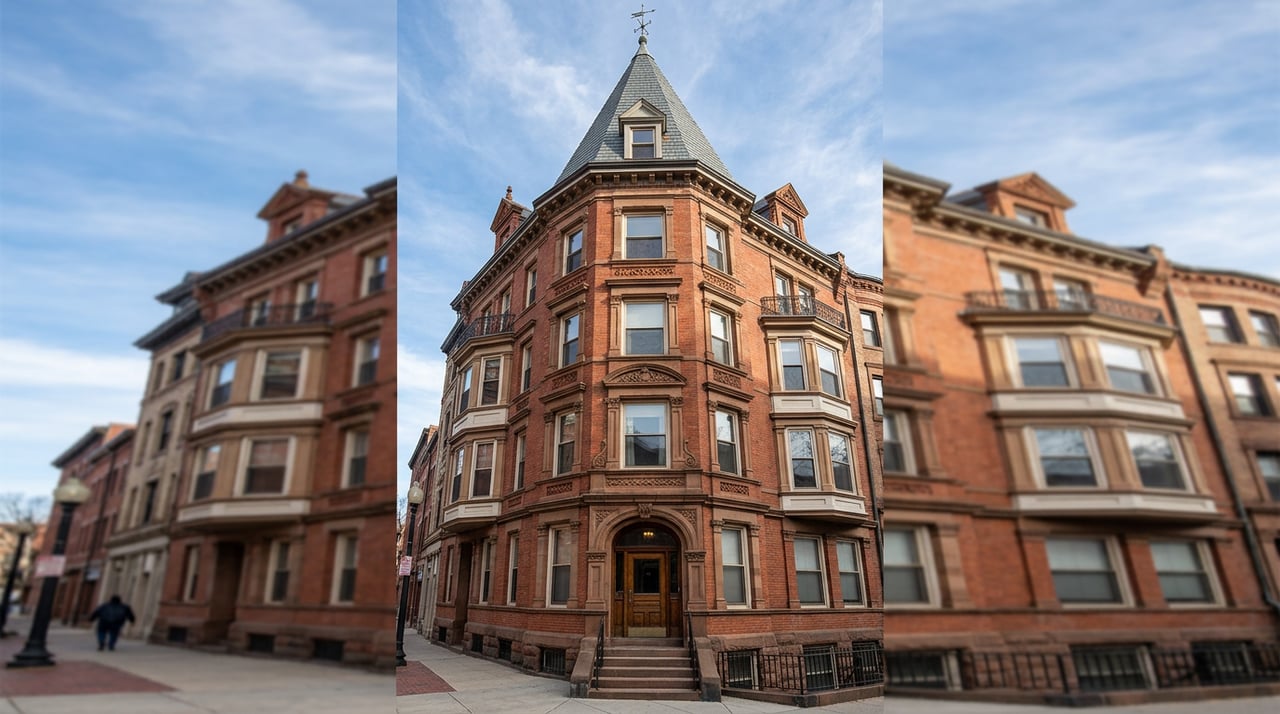

If your house still reflects a chapter you have already outgrown, Cow Hollow may offer a more graceful next step. For many San Francisco homeowners, downsizing is not about giving something up. It is about trading upkeep for ease, keeping design quality, and staying rooted in a neighborhood that still feels distinctly elevated. In Cow Hollow, you can find luxury condos that support that shift with walkability, views, and a more manageable daily rhythm. Let’s dive in.
Why Cow Hollow Works for Downsizing
Cow Hollow has a rare balance that appeals to homeowners moving from larger residences. San Francisco planning materials describe it as a compact, north-facing hillside neighborhood between Pacific Heights and the Marina, with views toward the Golden Gate Bridge, the Presidio, the Bay, and Marin. That setting gives you a refined residential feel without losing access to city life.
The neighborhood’s scale also matters. Local design guidelines note that 98 percent of structures are between two stories and three and a half stories. In practical terms, that often means boutique buildings and lower-rise condominiums that feel more residential and less anonymous than tower living.
For many downsizers, that is the sweet spot. You can reduce maintenance, simplify your footprint, and still keep the architectural character and neighborhood presence that drew you to San Francisco in the first place.
Walkability Adds Everyday Ease
Union Street is the neighborhood’s main commercial corridor, and city planning materials describe it as a district that serves nearby residents with convenience goods, restaurants, bars, specialty shops, professional offices, and movie theaters while preserving residential livability. That blend can make daily life feel easier after a move from a larger home. You may find yourself walking to dinner, errands, or coffee instead of organizing your day around the car.
Cow Hollow also offers close access to outdoor landmarks that shape the lifestyle of the area. The Presidio brings miles of trails and sweeping bridge views, while Marina Green provides a major waterfront park and event space. If your goal is to simplify without feeling confined, that access matters.
Current market data also supports the neighborhood’s appeal. Redfin rates Cow Hollow highly walkable, with a Walk Score of 94, Transit Score of 68, and Bike Score of 70. It also reports a competitive market, with a March 2026 median sale price of $3.2 million and homes averaging about 22 days on market.
What Luxury Condo Living Really Changes
A well-chosen luxury condo can change more than your square footage. It can reduce routine maintenance, create a more efficient layout, and let you focus on the rooms and experiences you actually use. For many homeowners, that means keeping the quality of a premium address while stepping away from the demands of a larger property.
In Cow Hollow, the built environment supports that transition. Neighborhood guidelines emphasize low-rise scale, light, air, and views. That is one reason many buyers here prefer boutique buildings with house-like floor plans over larger high-rise formats.
Recent listings in the area reflect those priorities. Condo inventory commonly highlights gracious layouts, entertaining rooms separated from private quarters, sunrooms, private decks, and in-unit laundry. Those details matter when you want your next home to feel edited, not diminished.
Features to Prioritize in Cow Hollow
When you are leaving a larger single-family residence, not every condo feature carries the same weight. The most useful features are usually the ones that preserve comfort while removing friction from daily life.
Look for easy access
Single-level living can be especially appealing if you want a more convenient long-term layout. If the unit is not fully single-level, elevator access becomes an important part of the decision. A beautiful condo should also feel effortless to live in.
Value light and outlooks
Cow Hollow’s hillside setting and view orientation make natural light a major asset. Large windows, corner exposures, and open sightlines can help a smaller home feel expansive. If you are used to a larger residence, this is one of the details that helps the transition feel successful.
Keep outdoor space in the mix
A private deck, terrace, or balcony can add meaningful breathing room. Even modest outdoor space can support a lock-and-leave lifestyle while still giving you a place for morning coffee, fresh air, or container gardening.
Do not overlook parking and storage
Downsizing works best when it is intentional. Parking and dedicated storage can help preserve convenience and reduce the sense that you are constantly editing around the home. These are practical features, but in daily life they often feel essential.
Choose a layout with separation
Many downsizers still want a home that entertains well. In Cow Hollow, buyers often favor floor plans that separate entertaining spaces from bedrooms or private quarters. That kind of layout can make a condo feel more like a true residence and less like a temporary compromise.
Understand HOA Costs and Documents
One of the biggest adjustments in condo ownership is financial structure. In California, a condominium is a common interest development, which means you own the unit’s airspace while the association owns the land, building, and common areas. The homeowners association manages the property, enforces rules, and can levy dues and assessments.
That is why HOA dues should be treated as part of the cost of ownership, not as a side note. Beyond your mortgage or cash purchase, you will want to understand what the dues cover and whether the association appears financially prepared for future repairs.
Review these HOA materials carefully
Before writing an offer, review:
- The reserve study
- The HOA budget
- CC&Rs
- Bylaws
- Association rules
- Insurance information
- Any history of special assessments
California DRE guidance explains that reserve studies estimate the cost of repairing and replacing major common-area components such as roofs or pavement. In simple terms, the reserve study helps you understand whether the building is planning ahead for major expenses.
Check Insurance and Seismic Questions
Insurance deserves close attention in any condo purchase, especially in San Francisco. California’s Department of Insurance notes that condo unit-owner policies typically cover personal property, loss of use, liability, and interior damage or improvements, while the association usually insures the structure and common areas. Loss-assessment coverage and earthquake exposure are also important items to review.
In older Cow Hollow buildings, seismic due diligence is especially relevant. SF.gov states that some wood-frame multi-family buildings require upgrades under the city’s mandatory soft-story program. If you are considering an older building, ask whether it was subject to that program and whether any required retrofit work was completed and permitted.
You should also ask about the age of the reserve study, any planned capital projects, and whether the HOA carries large deductibles or has gaps related to earthquake risk. These questions help you understand not just the beauty of the building, but its readiness.
Plan the Sale and Purchase Sequence
The financial side of downsizing often starts before you tour the first condo. If taxes are part of your planning, the first question is whether your move may involve the principal-residence capital gains exclusion, a Prop 19 base-year value transfer, or both. These are separate rules, and each can affect timing.
Know the capital gains exclusion basics
Federal and California rules generally allow a principal-residence gain exclusion if you owned and used the home as your main residence for two of the prior five years. The exclusion is generally up to $250,000 for many single filers and $500,000 for many joint filers. The IRS also says you generally cannot use the exclusion again if you claimed another home sale exclusion within the prior two years.
Understand how Prop 19 may fit
For eligible homeowners age 55 or older, certain disabled homeowners, and some disaster victims, Prop 19 creates another planning layer. The California Board of Equalization says the taxable value of a former principal residence can be transferred to a replacement home anywhere in California. It also says you can buy the replacement home before selling the original one, as long as the original home sells within two years.
That flexibility can help in a competitive neighborhood like Cow Hollow. But there is an important detail: the replacement home is taxed at full fair market value until the sale of the original home closes. The BOE also sets timing-based value limits of 100 percent, 105 percent, or 110 percent of the original home’s value depending on when the replacement property is acquired.
Factor in San Francisco filing items
San Francisco homeowners should also plan for the homeowners’ exemption and local transfer tax. According to SF.gov, the homeowners’ exemption can reduce assessed value by up to about $7,000 and should be filed within one year of transfer. The city also collects transfer tax under Article 12C of the Business and Tax Regulations Code.
Decide Whether to Buy or Sell First
The right sequence depends on your liquidity, tax eligibility, and tolerance for overlap. If the proceeds from your current home are needed to fund the condo purchase, selling first is often the cleaner path. If you can comfortably carry both properties for a period, buying first may create more flexibility.
That said, flexibility is not the same as simplicity. In Cow Hollow’s competitive environment, where multiple offers and waived contingencies can appear, your strategy should be worked out before the first offer is written. The goal is not just to win a property, but to do it in a way that supports your full financial picture.
Temporary occupancy arrangements may also be possible in some transactions. Fannie Mae notes that a rent-back credit is a seller payment in exchange for staying in the home after closing, though that credit cannot be used as an eligible source of funds for closing costs, down payment, or reserves. In practice, timing tools can help, but they should support a broader plan rather than replace one.
Why Guidance Matters in a Move Like This
Downsizing into a luxury condo is rarely a simple square-footage decision. It is a lifestyle edit, a financial decision, and often a design-driven search for the right fit. In Cow Hollow, where boutique buildings, older architecture, and competitive inventory all shape the market, details matter.
The best outcome usually comes from matching the home to the life you want next. That means weighing layout, light, building condition, HOA readiness, tax timing, and neighborhood context together, not one at a time. A more curated process can make the move feel less like a compromise and more like a thoughtful new chapter.
If you are considering a move in Cow Hollow, a discreet and well-planned strategy can make all the difference. To explore what downsizing could look like in this market, connect with Tania Toubba.
FAQs
What makes Cow Hollow a good neighborhood for downsizing into a luxury condo?
- Cow Hollow offers a compact, walkable setting, low-rise building scale, strong access to Union Street, and proximity to the Presidio and Marina Green, making it appealing for homeowners who want less maintenance without leaving a design-conscious San Francisco address.
Which condo features matter most when moving from a larger home in Cow Hollow?
- The most useful features often include single-level living or elevator access, strong natural light, private outdoor space, parking, storage, and a layout that separates entertaining areas from bedrooms.
Which HOA documents should you review before buying a Cow Hollow luxury condo?
- Key documents include the reserve study, HOA budget, CC&Rs, bylaws, association rules, insurance information, and any record of special assessments.
Can Prop 19 still apply if you buy a Cow Hollow condo before selling your current house?
- Yes, the California Board of Equalization says eligible homeowners can purchase the replacement home before selling the original residence, as long as the original home is sold within two years.
How can you tell if a San Francisco condo building is financially prepared for major repairs?
- Start by reviewing the reserve study and HOA budget, then ask about planned capital projects, prior special assessments, insurance deductibles, and whether the building may have any major seismic or maintenance obligations ahead.
What should you ask about older condo buildings in Cow Hollow?
- Ask whether the property was subject to San Francisco’s mandatory soft-story program, whether any required retrofit work was completed and permitted, how current the reserve study is, and whether earthquake-related insurance gaps exist.