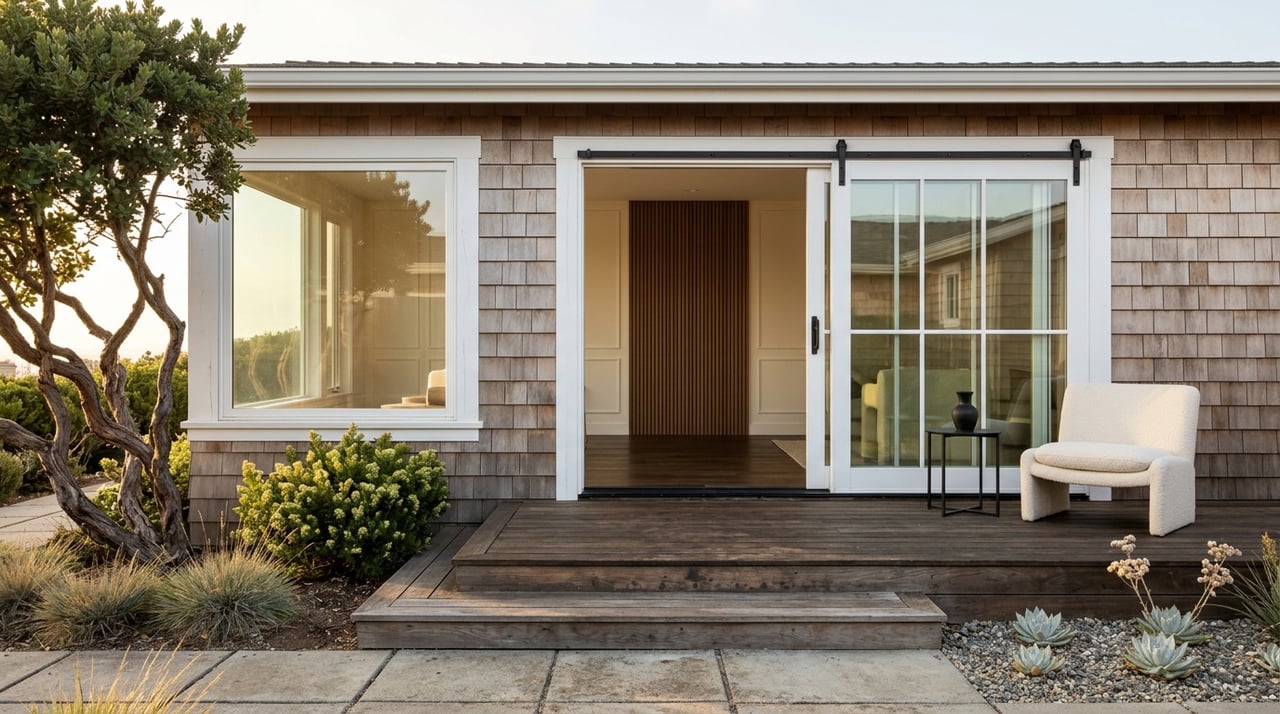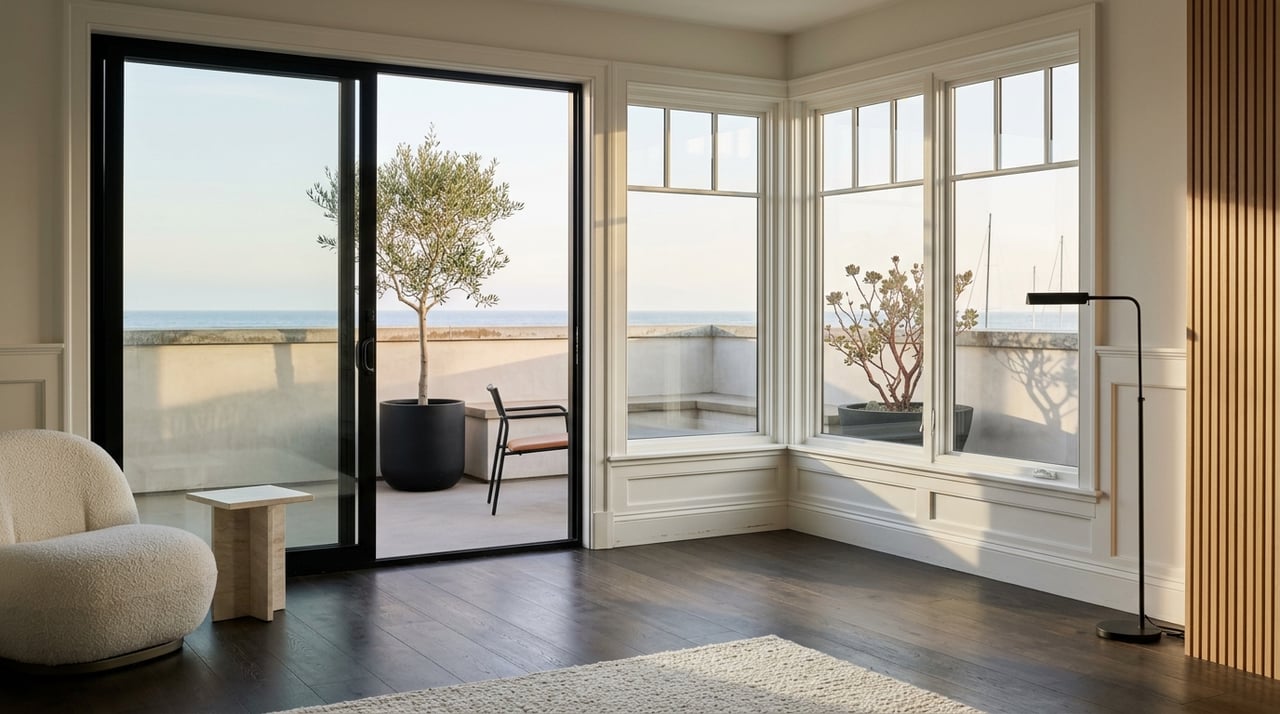
Looking for a design-forward, lock-and-leave condo that puts Union Street at your doorstep and the Marina Green within a morning stroll? If you love great light, edited interiors and walk-to-everything convenience, Cow Hollow delivers a rare mix of charm and ease. You also want clarity on costs, amenities and HOA details before you buy. This guide gives you a focused look at product types, finishes, due diligence and smart next steps tailored to luxury condo buyers in Cow Hollow. Let’s dive in.
Why Cow Hollow works for lock-and-leave
Cow Hollow sits on San Francisco’s north side between Pacific Heights and the Marina with Union Street as its main retail corridor. You get cafés, fitness studios and boutiques in a compact, walkable footprint, plus quick access to waterfront parks and the Presidio.
The neighborhood’s mix of classic buildings and modern boutique residences draws buyers who value style and low-maintenance living. You can step out for dinner, run the bay trail, then lock up and go. It is a lifestyle built around proximity and simplicity.
What luxury condos look like here
You will see three main archetypes in Cow Hollow. Each offers a different feel, amenity level and HOA profile.
Classic flats and pre-war conversions
These are Edwardian or pre-war mid-rises with single-level units and period detail. Expect studios to 2-bedrooms, often in the 500 to 1,400 square foot range. Many keep original moldings and arched openings with remodeled kitchens and baths layered in over time. Laundry may be shared or in-unit depending on renovations.
Amenities tend to be limited. You might see an elevator in some buildings, a roof deck, bike storage, or a small lobby. Dues are often moderate compared with full-service towers. A well-known example is the Marina Chateau, a pre-war building with classic details.
Boutique mid-rise, design-forward buildings
These newer or thoroughly renovated mid-rises typically include 10 to 40 residences. Plans often range from 1 to 3 bedrooms and about 600 to 1,800 square feet. You will see wide-plank wood floors, quartz or marble counters, integrated high-end appliances, in-unit laundry and double-pane windows that favor light and quiet.
The amenity package is curated rather than expansive. Think common roof deck, secure entry, bike room and possibly a part-time attendant or concierge support. Buyers pick these buildings for refined design and lower operational overhead.
Amenity-rich, full-service residences
Cow Hollow has fewer large, full-service towers than SoMa. That said, select newer buildings in or near the corridor bring a polished service profile. At Union House, for example, you will find an elevated lobby experience and sky lounge designed for elegant, low-effort living.
These buildings carry the highest dues because of staffing and extensive shared spaces. Budget for a premium HOA if you want concierge-level ease and comprehensive amenities.
What you will pay: pricing and HOA context
Price reporting varies by data source and property type. A June 2025 snapshot placed Cow Hollow’s 12-month median sold price across all homes near 2.10 million, which includes single family and condo sales. See the Cow Hollow market report for current context by month and product type.
If you focus only on condos, a condo-specific compilation in May 2025 noted a median closer to 1.79 million. Always filter by condo versus single family, then confirm building variables and views that drive pricing.
For HOA costs, Bay Area condo dues rank among the highest nationally. A 2024 analysis reported a San Francisco metro median around 690 dollars per month, with wide variation by building age and amenity level. Review the San Francisco HOA dues overview for citywide context, then use the building’s budget to see what your dues actually cover.
Floor plans and finish expectations
Use this quick lens when touring:
Classic flats
- Layout: Single-level plans, separate dining and living rooms, some galley kitchens.
- Size: Commonly 500 to 1,400 square feet with studios to 2-bedrooms.
- Finishes: Preserved moldings and casework, remodeled kitchens with stone counters and stainless appliances in many units.
- Amenities: Limited common areas, often moderate dues.
Boutique mid-rise
- Layout: Open living spaces, 1 to 3 bedrooms, select homes with private terraces or storage.
- Size: Roughly 600 to 1,800 square feet.
- Finishes: Wide-plank wood floors, quartz or marble counters, high-end integrated appliances, custom cabinetry and in-unit laundry.
- Amenities: Curated set like roof deck or bike room, typically no full-time doorman.
Amenity-rich residences
- Layout: A range of floor plans, sometimes with larger great rooms and view-forward glazing.
- Size: Varies by project, often at the higher end of local ranges.
- Finishes: High-spec interiors and designer common spaces.
- Amenities: Concierge, gym, lounges and multiple shared areas. Dues at the top of the local spectrum.
HOA documents and due diligence essentials
In San Francisco, the quality of your HOA is as important as finishes and views. Ask for the full resale packet at opening of escrow and confirm timelines early.
- Resale disclosure packet and delivery timeline. California requires a defined resale package that includes CC&Rs, bylaws, standing rules, the most recent annual budget report and reserve study summary. Associations must respond within defined timelines. Review the resale document guide to understand what to request.
- Reserve studies and funding plan. California Civil Code section 5550 requires visual inspections for reserve planning at least every three years and an annual review of the funding plan. Ask for the latest reserve study and current reserve balance. Read the statute summary for Civil Code section 5550.
- SB 326 balcony and elevated element inspections. Civil Code section 5551 requires associations with exterior elevated elements to complete inspections by January 1, 2025, then every nine years. Request the report or the HOA’s compliance letter and any repair scope or special assessment plan. See Civil Code section 5551.
- Master insurance coverage. Ask for declarations pages that show property coverage, liability, D&O, deductible and endorsements such as ordinance and law. Many buyers add HO-6 loss assessment coverage. Learn how master policies work from Davis-Stirling’s HOA insurance overview.
- Rental rules and short-term rentals. California limits how HOAs can restrict rentals and allows associations to ban short-term rentals under 30 days. Check your CC&Rs and rule amendments, then confirm city registration requirements for any STR plans. Start with Davis-Stirling’s rental rules summary and the City’s Office of Short-Term Rentals FAQ.
- Parking and storage. Verify deeded stall numbers, mechanical lift details, EV charging provisions and guest parking policies. Street parking is often regulated by the City’s RPP program. Read the SFMTA Residential Parking Permit guide.
- Litigation, code orders and assessments. Ask whether the association is in litigation, has Department of Building Inspection orders or is planning major repairs tied to safety or code compliance. SB 326 findings can trigger work plans and special assessments. Build this into your cash flow view.
- Warrantability and financing. If you plan to use FHA, VA or conventional financing, confirm whether the project is warrantable and review owner occupancy ratios, commercial space, delinquencies and single-owner concentration. These factors shape your loan options.
Your quick request list
- Full HOA resale packet with 12 months of meeting minutes.
- Latest reserve study and current reserve balance.
- SB 326 balcony inspection report or compliance letter.
- Master insurance declarations with all endorsements and deductibles.
- Assessment and arrears status for the specific unit.
- Parking, storage and EV charging rights in writing.
- Rental and STR policy with enforcement history and dates.
Parking, mobility and storage
Parking is a material lifestyle and value item in Cow Hollow. Many older buildings do not include deeded stalls. Newer buildings may offer secure garage parking with lifts, storage rooms and bike facilities. If you rely on street parking, confirm that your block is within a Residential Parking Permit zone and understand guest permit rules using the SFMTA RPP guide.
For EV buyers, ask whether your assigned stall can support a charger, what the HOA’s process and cost-sharing look like, and whether electrical capacity upgrades are on the capital plan.
How Cow Hollow compares nearby
- Pacific Heights. More single-family mansions and historic row houses, fewer large amenity condo towers in the core. Condos can be high-value, but the neighborhood’s headline prices are often driven by single-family stock.
- Marina District. Similar condo pricing bands to Cow Hollow with a waterfront recreation focus. Architecture skews to low-rise multifamily from the 1920s to 1960s plus conversions.
- Russian Hill and Nob Hill. More verticality in places, and strong view premiums for higher floors. Mix of classic flats and boutique towers.
- SoMa and South Beach. The largest amenity packages, full-service staffing and high-rise views, which often means higher HOA dues. Many Cow Hollow buyers trade those tower-scale amenities for a more intimate, walkable neighborhood feel.
How to shop smart in Cow Hollow
- Define your priority stack. Decide whether period detail, a terrace, a quiet rear position, in-unit laundry or a concierge matters most to you. Rank them before you tour.
- Filter by building type. If you want light and refined finishes with moderate dues, boutique mid-rises often deliver the best balance. If you want hotel-like ease with staff and lounges, focus on amenity-forward residences such as Union House.
- Get the HOA packet early. Ask for the full resale packet at contract acceptance and put reserve funding, SB 326 status and master insurance on your must-review list. Use the resale document checklist to stay organized.
- Model total cost of ownership. Price, HOA dues, parking, insurance endorsements and any near-term capital projects inform your real monthly cost. Reference San Francisco’s HOA cost backdrop using the citywide dues analysis, then zero in on the building budget.
- Confirm rental flexibility. If you anticipate renting, align HOA rules with state limits and City registration basics. Start with Davis-Stirling’s rental guidance and the City’s OSTR FAQ.
Ready to explore design-forward options, analyze HOA health and unlock the right balance of beauty and ease? Request a private consultation with Tania Toubba to curate your short list and navigate every step with precision.
FAQs
What should a Cow Hollow condo buyer review in the HOA packet?
- Ask for CC&Rs, bylaws, rules, the latest annual budget and reserve study summary, 12 months of minutes, insurance declarations and SB 326 balcony inspection status.
How does SB 326 affect balcony condos in San Francisco?
- Associations must complete inspections of exterior elevated elements by January 1, 2025, then every nine years, and buyers should request the report or compliance letter during due diligence.
What are typical HOA dues for Cow Hollow condos?
- A 2024 analysis placed the San Francisco metro median near 690 dollars per month, yet dues vary widely by building age and amenity level, so confirm the specific budget and coverage.
Are short-term rentals allowed in Cow Hollow condos?
- State law allows associations to prohibit rentals under 30 days and limits broader rental caps, and the City requires STR registration, so verify both HOA rules and City eligibility.
Do most Cow Hollow condos include parking?
- Many older buildings do not include deeded stalls and newer ones may use lifts or assigned spaces, so confirm deeded rights, EV capacity and your block’s Residential Parking Permit rules.