You do not get a second chance at a landmark sale. If you own a Pacific Heights trophy home and want a result that feels newsworthy yet discreet, every detail matters from permits to presentation. You want certainty, privacy, and a premium outcome without unnecessary risk. In this guide, you will learn how to prepare your property, craft a gallery-grade launch, and choose a pricing and marketing path that fits your goals. Let’s dive in.
Know your market before you price
Define your true comparables
Pacific Heights contains both grand single-family mansions and smaller condos or co-ops, so headline medians vary widely by data source. Industry reporting documented record highs in San Francisco’s luxury submarkets in 2025, but consumer portals that include condos show much lower figures. The takeaway is simple: define your comp set by property type and micro-location before you set a price. You can see the broader luxury context in Mansion Global’s reporting on record pricing in SF’s luxury enclaves and local coverage of neighborhood records in the San Francisco Chronicle.
Understand the likely buyer
Headline Pacific Heights sales often attract ultra-high-net-worth buyers, including local tech and finance principals, global purchasers, and collectors who prioritize privacy, views, and entertaining capacity. That audience responds to scarcity, provenance, and a curated narrative that elevates the home as a cultural asset. Recent market coverage shows how concentrated wealth can drive demand for top-tier properties, which also supports selective off-market strategies for the right seller profile. For context, review the Mansion Global overview of luxury demand drivers.
Clear the legal path first
Confirm historic status and approvals
San Francisco maintains active historic-preservation rules. If your property is a designated landmark or located in a local historic district, exterior or character-defining changes may require special review and approvals. Even non-designated homes can be treated as historic resources during discretionary review. Before you promise any alterations, confirm status and assemble documentation. Start with the city’s Historic Preservation FAQs and collect any Certificates of Appropriateness or Planning correspondence.
Address seismic and structural questions
Many Pacific Heights homes are older, and buyers expect clarity on seismic integrity, foundation conditions, and major systems. While San Francisco’s mandatory soft-story rules focus on specific multi-unit buildings, a voluntary seismic evaluation can reduce negotiation friction for a luxury sale. Review the city’s safety and resilience framework in the San Francisco General Plan, then decide if pre-listing engineering or structural reports make sense for your property.
Prepare California disclosures in advance
Sellers of one-to-four-unit residential property in California must deliver a Transfer Disclosure Statement (TDS) and other required notices, such as the Natural Hazard Disclosure and lead-based paint materials for pre-1978 homes. Trophy sellers often supplement with pest, roof, mechanical, or structural reports to inspire confidence. Use the California Association of Realtors’ TDS form as your baseline checklist, and compile permits, inspection history, and warranties into a single, polished packet.
Plan value-smart renovations
Priorities for Pacific Heights trophy homes
Before you focus on finishes, confirm safety and mechanical soundness. Buyers at this level expect a clean bill of health on the essentials, or they expect detailed documentation to offset risk. Consider this practical order:
- Safety and material fixes. Seismic evaluation if warranted, plus roof, foundation, and structural repairs. Aligns with the city’s resilience focus in the General Plan.
- Systems and utilities. Update electrical to modern code where needed, address main plumbing lines, and tune HVAC and water heating for reliability and efficiency.
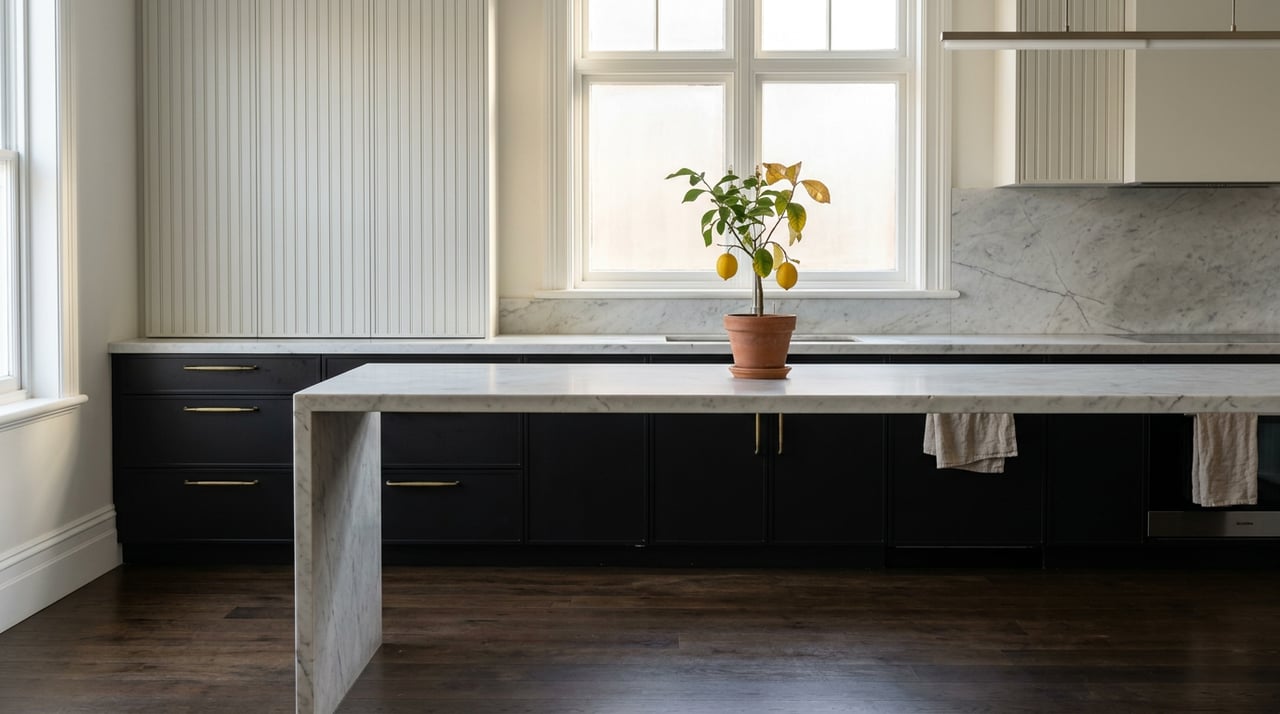
- Key rooms for impact. Refresh kitchens, the main living level, and the principal suite with updated lighting, hardware, and appropriate appliance packages.
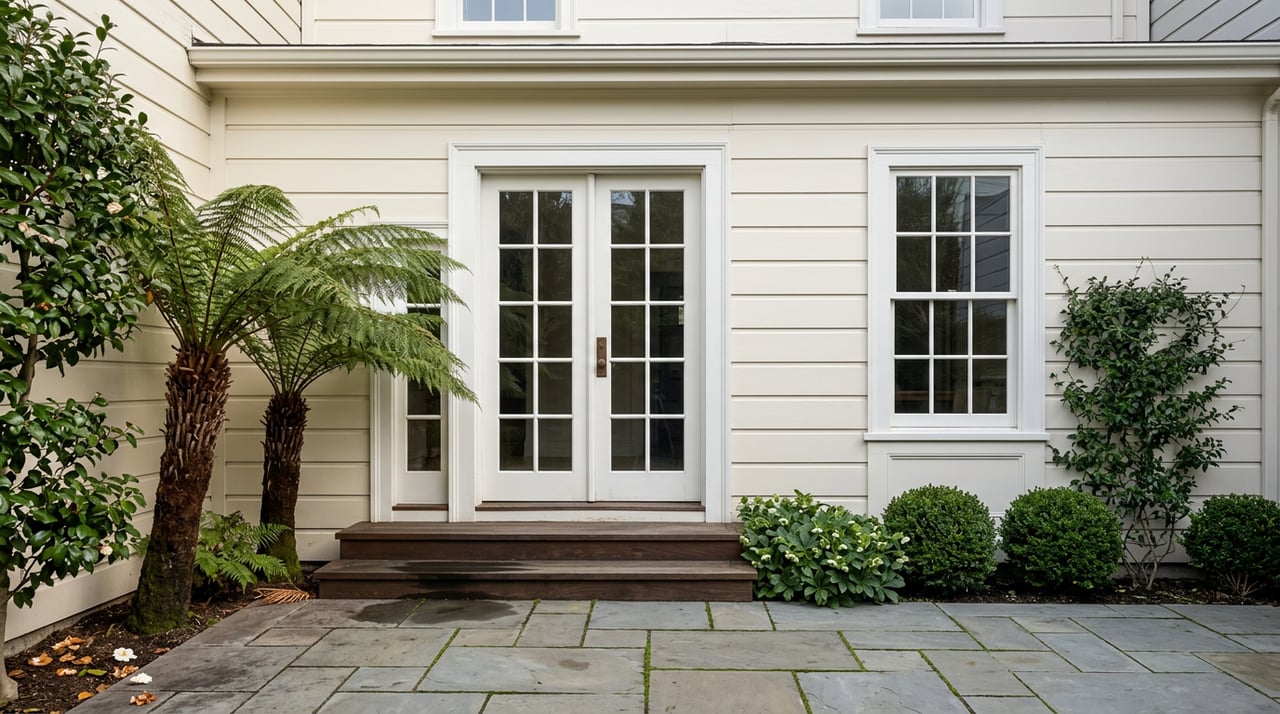
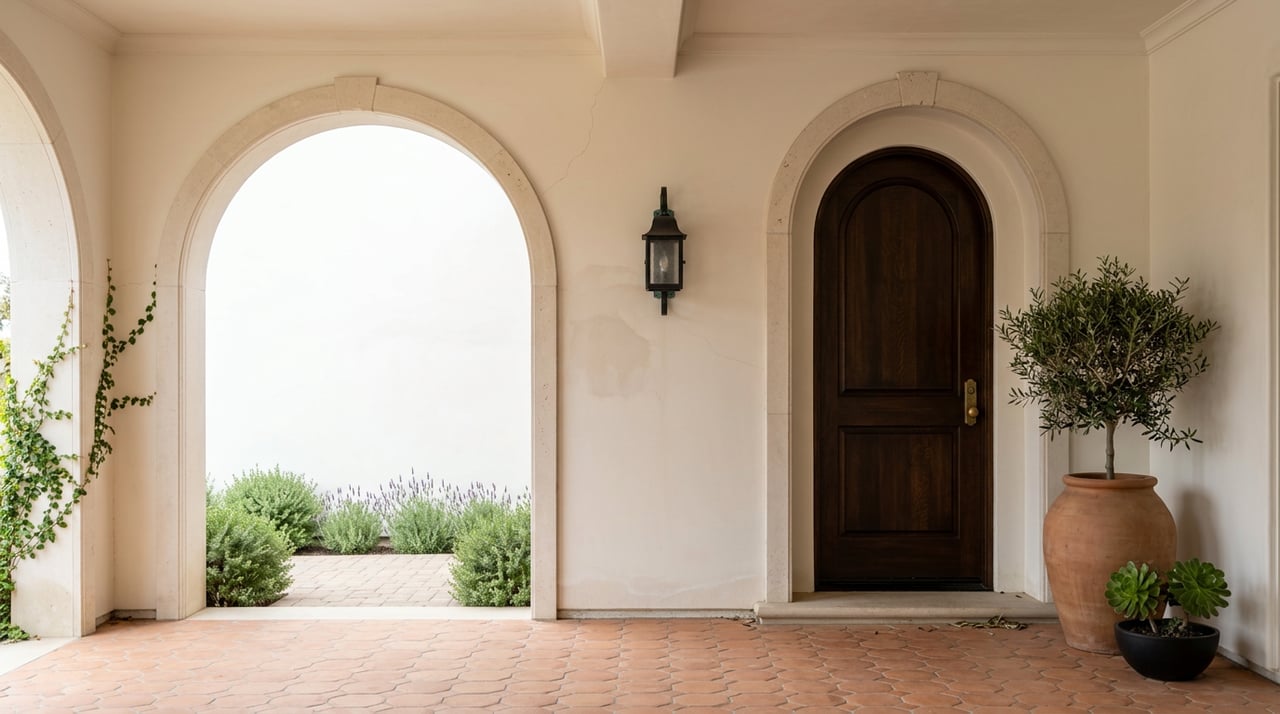
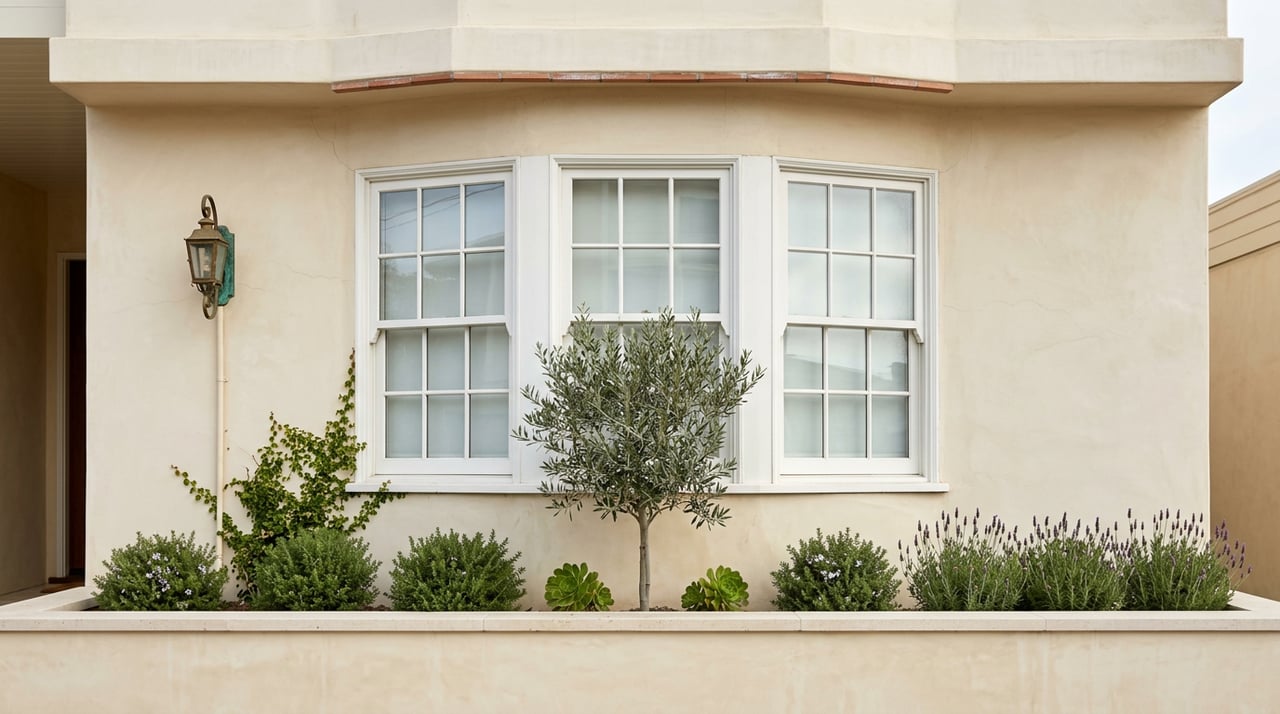
- Curb appeal and entry sequence. Elevate landscape, lighting, doors, and the path from sidewalk to threshold.
- View lines and outdoor living. Clarify sightlines, tune terraces and decks, and design usable roof or garden spaces where allowed.
Think beyond simple ROI math
National Cost vs. Value studies show that modest exterior and cosmetic projects often recapture more than bespoke, major remodels on a percentage basis. For trophy properties, your goal is different. You are aiming to remove buyer objections, signal quality in key rooms, and deliver a lifestyle narrative that is consistent with your target price. Review high-level trends in the Cost vs. Value analysis as a framing tool, then tailor scope to your home’s architecture and expected buyer.
Budgeting and timelines
Even restrained, high-end refreshes can take several weeks when you include design, permits, and contractor scheduling. Larger renovations can extend to three to six months or more. For a landmark result, finish all improvements and staging well before any public release or broad brokerage distribution. A clean, complete launch protects discretion and maximizes impact.
Craft a gallery-grade presentation
Why staging changes outcomes
Staging helps buyers visualize life in the home, and the data supports it. Buyer agents commonly report that staging improves how buyers see a property, and a meaningful share of sellers’ agents say it increases offers by 1 to 5 percent. At the luxury tier, professional staging and elevated visuals are near-mandatory to justify premium pricing and attract media interest. See the NAR Profile of Home Staging for a data-backed overview.
What “gallery-style” means in practice
Treat the home like an exhibition. Use neutral, museum-grade lighting, refined furnishings, and curated or loaned artworks that complement the architectural lines. Edit spaces so circulation, light, and volume read clearly. In principal rooms, the architecture and the view should be the star. Expect higher-end staging budgets to scale from several thousand to tens of thousands depending on furniture quality, art transport, installation, and insurance. Confirm scope and costs with an experienced luxury stager and art consultant.
Plan for discretion and security
For invitation-only previews, arrange short-term insurance for loaned artworks or valuable objects, adjust staffing and access, and consider NDAs for press and attendees. Control photography and require advance appointments. The goal is to create elevated access that signals scarcity and protects privacy.
Design a discreet launch strategy
Pricing psychology for trophy homes
You have two proven paths:
- Anchor pricing. Set a public anchor that aligns with comps and the home’s curated narrative, then negotiate privately with serious buyers.
- Controlled release. Test the top of the market through a pocket strategy or quiet previews to a vetted list, then choose whether to go public.
Your objective matters. If you want a record price and broad recognition, you may choose a public anchor. If you value privacy above all else, lean toward a controlled whisper approach.
Know the rules for off-market strategy
Off-market or pocket approaches are common for exceptional assets, but the industry’s rules have shifted. The 2024 settlements changed how buyer-broker compensation appears in the MLS and have practical implications for pocket listings and broker outreach. Before you pursue a whisper campaign, confirm your written agreements and local MLS rules to avoid compliance risk. A helpful overview of the changing environment is available in Beasley Allen’s April 2024 report.
A sample white-glove timeline
- Legal due diligence and pre-inspections: 2 to 4 weeks
- Targeted renovations and systems upgrades: 4 to 16-plus weeks depending on scope
- Staging and photography: 2 to 4 weeks
- Private preview period: 1 to 3 weeks for vetted buyers, top brokers, and select press
- Public launch, if chosen: 1 to 3 weeks with coordinated editorial and digital placement
- Negotiation and close: variable, often longer for complex title or trust work
Momentum matters. If a qualified buyer emerges during previews, you can compress the public phase or proceed to private negotiation.
Your pre-market checklist
- Verify property type, block-level comps, and view band peers to set pricing context.
- Confirm historic status, Article 10 considerations, and any approvals or permits on file. Use the city’s Historic Preservation FAQs as a starting point.
- Commission or compile reports: structural or seismic, roof, pest, mechanical, and any relevant engineering studies aligned with the General Plan’s resilience focus.
- Prepare California disclosures early: TDS, Natural Hazard Disclosure, and lead-based paint documents where applicable.
- Scope and schedule targeted renovations. Prioritize systems, then key rooms and entry sequence.
- Engage a luxury stager and, if appropriate, an art curator. Budget for museum-grade lighting, installation, and insurance.
- Assemble media assets: architectural photography, film, drone, floor plans, Matterport, and a concise architectural provenance narrative.
- Define your launch strategy. Decide on anchor pricing or controlled release, preview invite lists, NDA language, and editorial targets.
Work with a curator-led advisor
A landmark Pacific Heights sale rewards precision. You want a partner who can lead pre-sale preparation, craft a compelling narrative, and activate the right buyers through private previews and global channels. With Sotheby’s reach and a curator’s eye, a boutique advisor can position your home as a cultural experience rather than just a listing. That combination of discretion, design integrity, and market expertise is what moves results at the highest level.
If you are considering a sale, let’s discuss how a gallery-style launch, selective upgrades, and a tailored pricing plan can meet your objectives with confidence and privacy. Connect with Tania Toubba to schedule a confidential consultation.
FAQs
What documents do I need before listing a Pacific Heights luxury home?
- Assemble the California Transfer Disclosure Statement, Natural Hazard Disclosure, any applicable lead-based paint materials, and third-party reports like structural, roof, pest, and mechanical, plus permits and inspection history.
How do I confirm if my San Francisco home is a historic resource?
- Check the city’s designations and review process in the Historic Preservation FAQs, then verify status and any prior approvals or required Certificates of Appropriateness.
Which upgrades add the most value to a Pacific Heights trophy property?
- Start with safety and systems, then focus on impact areas like the kitchen, main living level, and principal suite, along with curb appeal and outdoor living; use national Cost vs. Value trends as a guide and tailor scope to your price band.
How do private previews or pocket listings work for high-end San Francisco homes?
- A controlled preview invites vetted buyers, top brokers, and select press to see the home by appointment with strict photography and NDA rules, allowing you to test top pricing while preserving privacy and momentum.
Why is gallery-style staging worth it for a landmark sale?
- Data from the NAR staging profile shows staging improves buyer perception and can lift offers; at the luxury tier it also enables editorial storytelling and justifies premium pricing.
How long does a landmark sale take from prep to close in Pacific Heights?
- A white-glove sequence often spans 8 to 24-plus weeks including due diligence, renovations, staging, private previews, and marketing, with closings sometimes longer due to complex title or trust work.