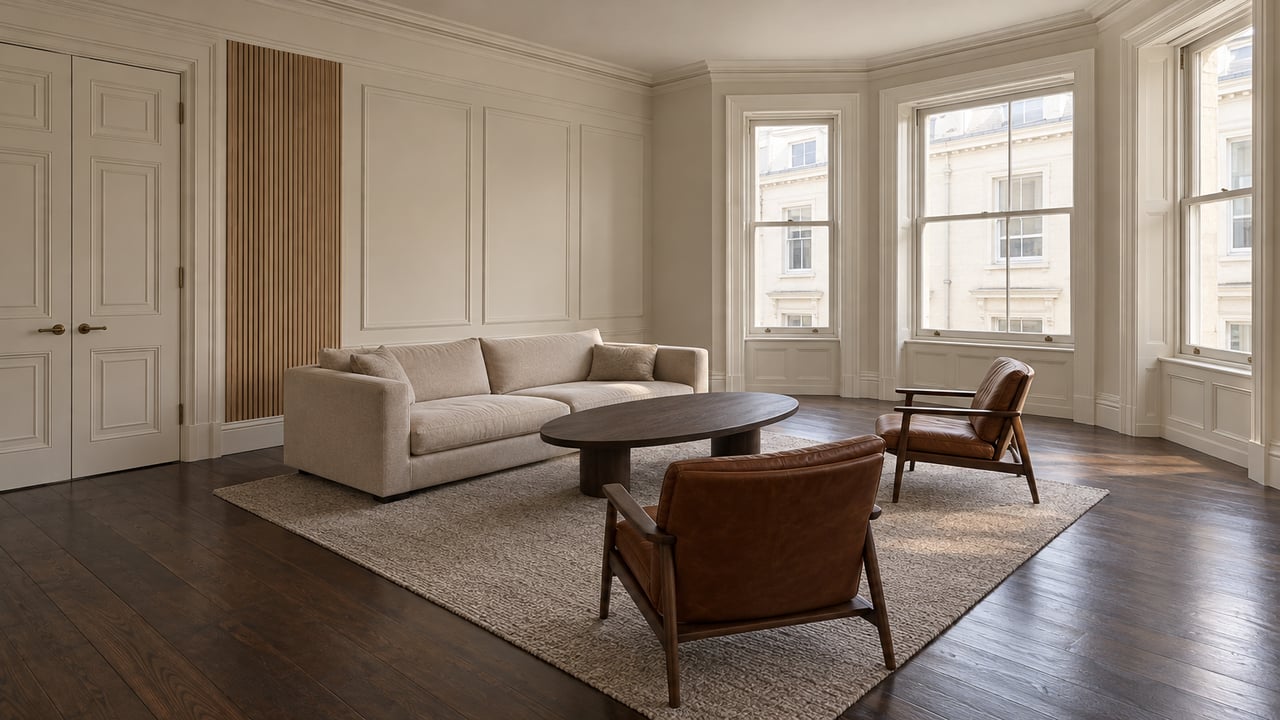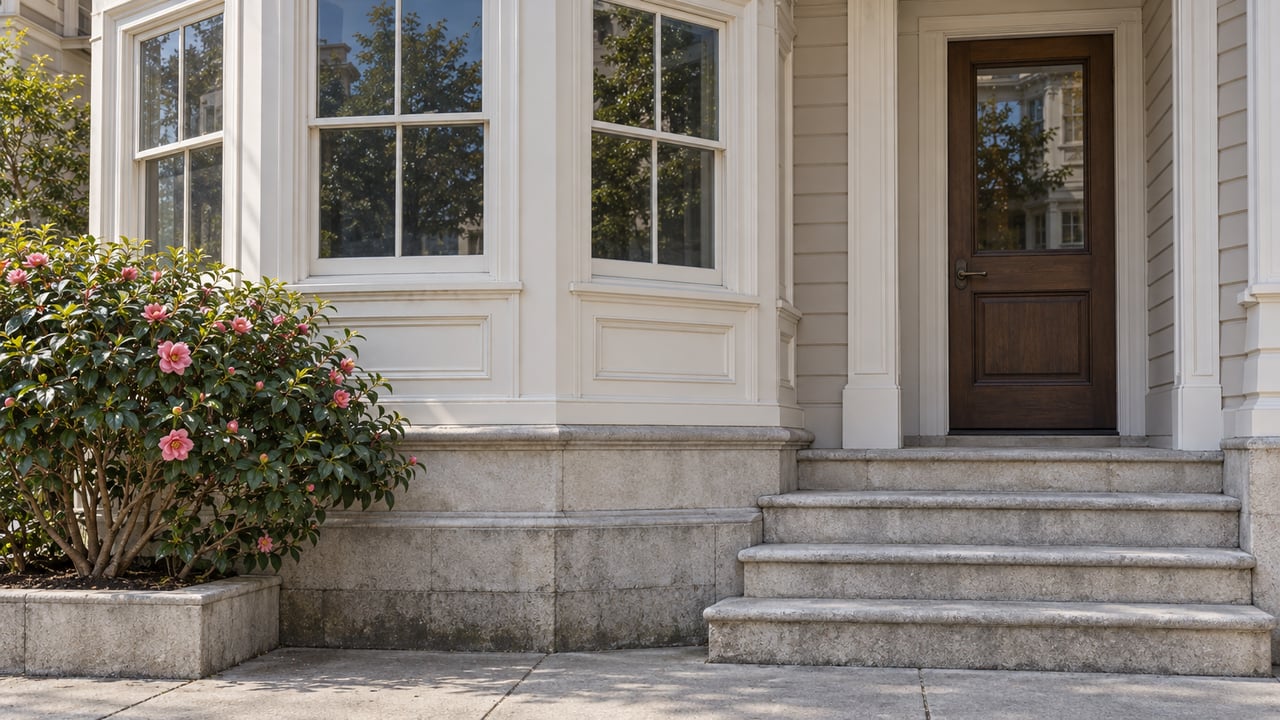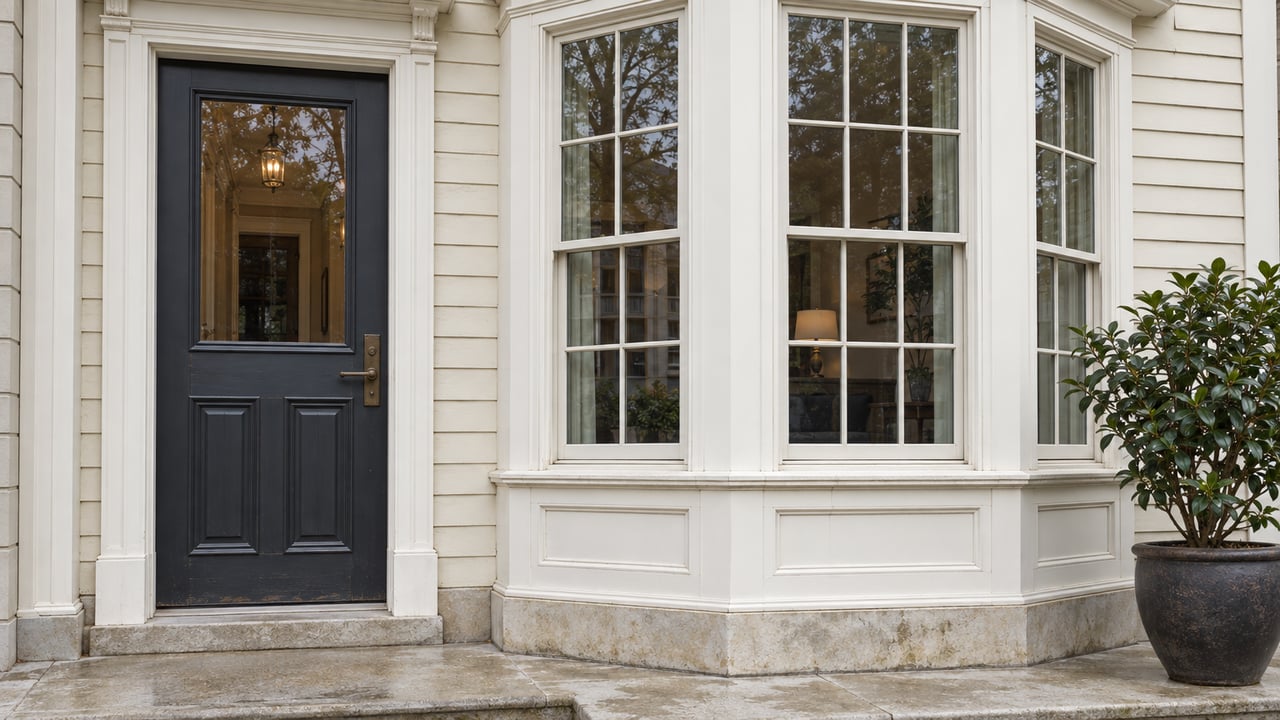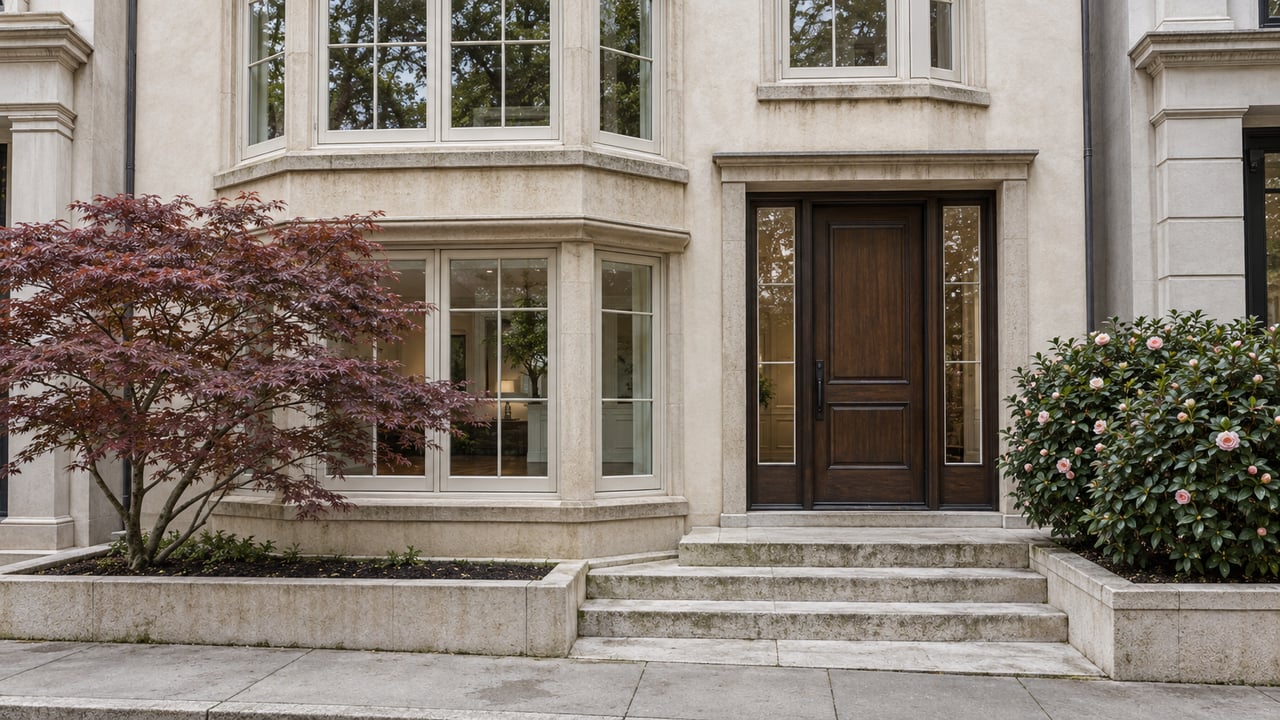
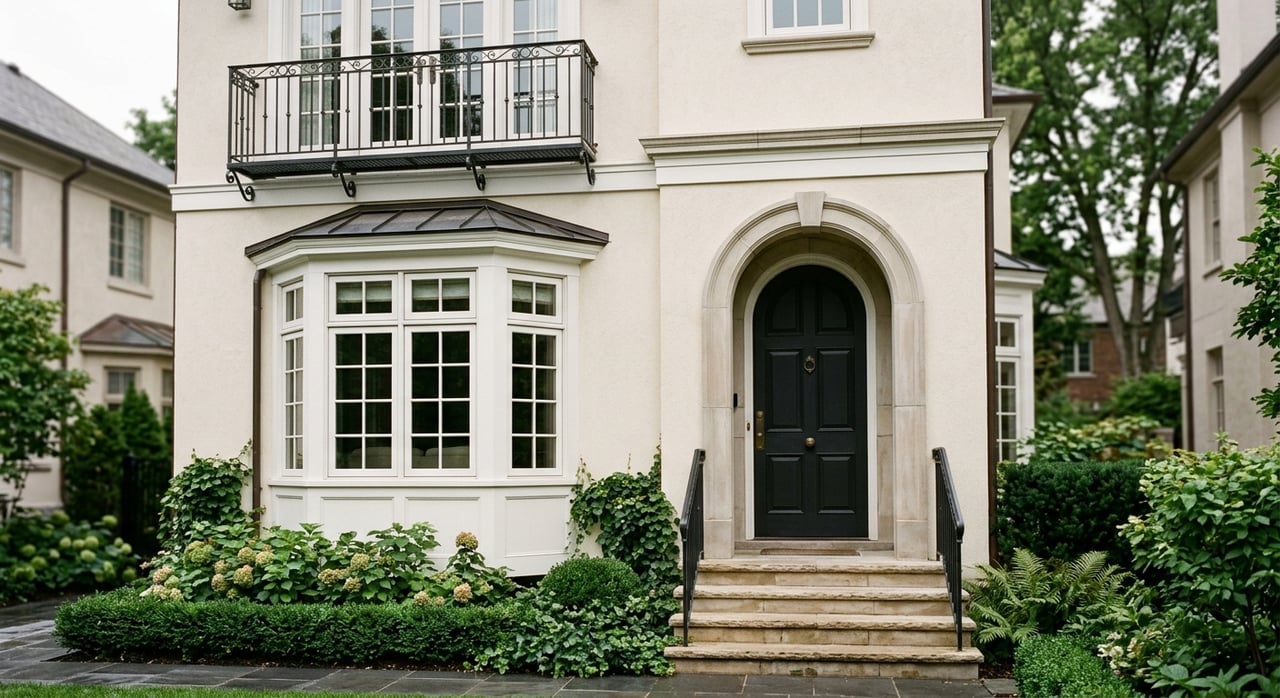
If you have ever walked through Presidio Heights and wondered why the neighborhood feels so quietly grand, the answer is not just price point or address. It is architecture. In this part of San Francisco, luxury is expressed through proportion, craftsmanship, and a remarkable concentration of early-20th-century homes that still read as a cohesive whole today. If you are buying, selling, or simply studying the neighborhood, understanding its architecture helps you see what gives Presidio Heights its lasting appeal. Let’s dive in.
Why Presidio Heights Feels Architecturally Distinct
Presidio Heights is not defined by a single look. San Francisco Planning describes it as an almost entirely residential historic district made up of large, formal dwellings, typically two to three stories over a raised basement, with most homes dating from about 1905 to 1925.
What makes the neighborhood stand out is the ensemble effect. Across more than 15 square blocks and over 500 properties, you see consistent setbacks, strong massing, and high-quality detailing, even as architectural styles shift from one house to the next.
That combination gives Presidio Heights a rare kind of visual harmony. The homes feel varied, but the streetscape still feels composed and intentional.
Architectural Styles That Shape Presidio Heights
Edwardian and Classical Revival
In San Francisco, Edwardian is often used as a broad label for early-1900s architecture rather than one strict formula. In Presidio Heights, that usually means balanced facades, larger windows, and a more restrained approach than the heavy ornament seen in many late-Victorian houses.
Classical Revival plays a major role in that character. These homes often emphasize symmetry, proportion, and material quality, creating a polished and formal presence that still feels livable today.
A local example appears at 3800 Washington Street, where the Koshland Mansion is identified by San Francisco Planning as a Classical Revival property. It helps illustrate how grandeur in Presidio Heights often comes through disciplined design rather than excess.
Beaux-Arts Formality
Beaux-Arts architecture adds another layer of refinement to the neighborhood. San Francisco Planning describes the style with classical Greek and Roman details such as columns, dentiled cornices, egg-and-dart molding, and Greek key ornament.
In a residential setting like Presidio Heights, Beaux-Arts features tend to appear in the entry sequence and overall facade composition. You may not see civic scale, but you do see symmetry, a sense of arrival, and carefully resolved exterior detail.
For buyers and sellers alike, this matters because formality often translates into presence. A home with a strong Beaux-Arts influence can feel especially memorable from the street.
Mediterranean Revival Warmth
Mediterranean Revival reflects the neighborhood’s later development, especially into the 1920s. San Francisco Planning associates the style with stucco walls, red-tile roofs or parapets, and more ornate doors and window treatments.
Within Presidio Heights, these homes often bring a softer, warmer expression to the streetscape. They still fit the neighborhood’s formal character, but they can feel more sun-oriented and relaxed than some of the stricter classical houses.
That contrast is part of what makes the area so compelling. Luxury here is not one-note. It moves between restraint and warmth while staying architecturally coherent.
Tudor Revival, Shingle, and Hybrid Homes
One of the most interesting things about Presidio Heights is how often its best houses blend influences. San Francisco Planning notes the presence of Shingle or First Bay Region, Arts & Crafts, Tudor Revival, French Provincial, Mediterranean Revival, and a few late Queen Anne survivors.
The neighborhood’s luxury is often expressed through these hybrids. Rather than following one rigid formula, many homes combine strong massing, layered materials, and carefully edited historic detail.
The Roos House at 3500 Jackson Street is a strong example. Designed by Bernard Maybeck, it is described as Tudor in style with Gothic influences, including stucco, half-timbering, slate gabled roofs, and a formal carriage approach.
Another notable example is the Julian Waybur House, a Bay Area Shingle Style residence with Classical details by Ernest Coxhead. Homes like these show how Presidio Heights architecture rewards close attention.
How Architecture Shapes Daily Living
Vertical Layouts and Urban Estate Living
Because many homes in the district are two to three stories over raised basements, the layout often feels vertically organized. Based on the neighborhood’s massing and setback patterns, service or garage functions commonly sit below, entertaining spaces on the main level, and private rooms above.
That arrangement helps explain why many Presidio Heights homes feel more like urban estates than compact city houses. Even within San Francisco, the experience of space can feel more layered and ceremonial here.
For buyers, that often means a more formal separation between public and private areas. For sellers, it is one of the architectural stories worth highlighting when positioning a home.
Light, Windows, and Interior Character
Style labels matter, but window rhythm and wall depth matter just as much. Planning materials note that wood-sash windows, gable and hip roofs, and cladding such as wood shingle, brick, and stucco are common across the district.
In practical terms, daylight is often strongest in front-facing and upper-level rooms. The feel of the interior depends heavily on the original plan, whether it was designed to be more formal, more open, or more compartmentalized.
This is one reason two homes of similar scale can live very differently. In Presidio Heights, architecture is not only about exterior beauty. It directly shapes how rooms connect, how light enters, and how the home unfolds over the course of a day.
Privacy and Arrival
Presidio Heights also stands apart because of how homes meet the street. Front and side setbacks, garden walls, and formal approaches create a buffer between public space and private life.
The Roos House offers a vivid example with its porte cochere and carriageway. These features reflect a larger neighborhood pattern in which arrival is part of the architectural experience.
That sense of privacy is a meaningful part of luxury here. The home does not reveal itself all at once, and that controlled sequence can make daily living feel calmer and more protected.
Why Preservation Matters in Presidio Heights
San Francisco’s preservation framework is important in this neighborhood, even when a property is not locally landmarked. The Planning Department notes that buildings over 50 years old may be treated as potential historic resources if they hold architectural or historical significance, which can trigger state-level review for alterations.
If a property is locally designated, exterior changes may receive added review. The city also notes that Mills Act contracts may reduce property taxes for qualified historic resources, but historic status alone does not automatically change taxes.
For owners, this means renovation is possible, but it should be approached thoughtfully. In a neighborhood where architectural integrity is such a large part of value, preservation is not just a regulatory issue. It is also a strategic one.
Renovation Opportunities That Tend to Make Sense
In Presidio Heights, the most practical updates are often the least visible from the street. Planning materials note that rear additions, vertical additions, garage work, driveway changes, and other low-visibility alterations have often had only a minor impact on historic integrity.
By contrast, front-facade changes and removal of original materials can weaken the character-defining features that make these homes so recognizable. Original massing, setbacks, materials, and architect pedigree are central to how significance is understood.
For sellers preparing a property for market, this has a clear takeaway. Improvements that respect the original architectural story often support a more compelling presentation than changes that compete with it.
What Buyers and Sellers Should Notice Most
If you are evaluating a home in Presidio Heights, look beyond style labels alone. Pay attention to scale, facade balance, original materials, setback relationships, and how the home creates a sense of entry and privacy.
Also look for integrity. In a district with many contributory properties, intact examples can stand out because they preserve the features that make the neighborhood legible as a historic and architectural whole.
For sellers, that integrity can become part of the property narrative. For buyers, it can help explain why some homes feel especially resonant the moment you walk up to the door.
Presidio Heights luxury is not simply about square footage or finish level. It is about living inside architecture that was designed to last, and in many cases, designed by some of San Francisco’s most notable architects.
If you are considering a purchase or preparing to position a significant home for sale in Presidio Heights, a nuanced understanding of architecture can sharpen every decision, from renovation strategy to market presentation. For a discreet, design-literate perspective on the neighborhood’s most exceptional properties, connect with Tania Toubba.
FAQs
Is Presidio Heights defined by one architectural style?
- No. The neighborhood includes Shingle or First Bay Region, Arts & Crafts, Classical Revival, Colonial Revival, Tudor Revival, French Provincial, Mediterranean Revival, and some late Queen Anne homes.
Can you renovate an older home in Presidio Heights?
- Yes, but homes over 50 years old may be treated as potential historic resources if they have architectural or historical significance, and locally designated properties can face additional review for exterior changes.
What renovations are usually easier in Presidio Heights?
- Lower-visibility work such as rear additions, basement-level changes, garage updates, and some driveway-related work has generally been described as less disruptive to district character.
Does historic status automatically lower property taxes in San Francisco?
- No. The city states that tax savings are tied to an active Mills Act contract for qualified historic resources, not historic status alone.
Why do Presidio Heights homes feel so private?
- Many homes use front and side setbacks, garden walls, and formal approaches that create a buffer between the street and the interior, contributing to a more layered arrival experience.